Many homeowners assume that once a loft has been boarded it becomes suitable for storing almost anything. While loft boarding certainly transforms an underused roof space into valuable storage, there is an important question that should always be considered before carrying heavy boxes upstairs. How much weight can a boarded loft actually hold?The answer depends on several factors, including the age of the property, the construction of the roof, the type of boarding installed and whether any structural improvements have been made. Simply laying boards across existing ceiling joists does not automatically create a floor capable of supporting substantial loads. In fact, overloading a loft can place unnecessary strain on the structure of your home and may even lead to costly repairs.Understanding the limitations of a boarded loft is essential for homeowners and landlords throughout Dorset and the South Coast. With professional advice and a properly designed loft boarding system, your loft can become a safe, practical and long lasting storage solution.
One of the biggest misconceptions surrounding loft boarding is that every boarded loft offers the same level of strength. In reality, every property is different.
The amount of weight your loft can safely support depends upon several factors, including:
Older properties often have different construction methods from modern homes, meaning there is no universal weight limit that applies to every loft.
This is why professional assessment is so valuable before carrying out any loft boarding project.
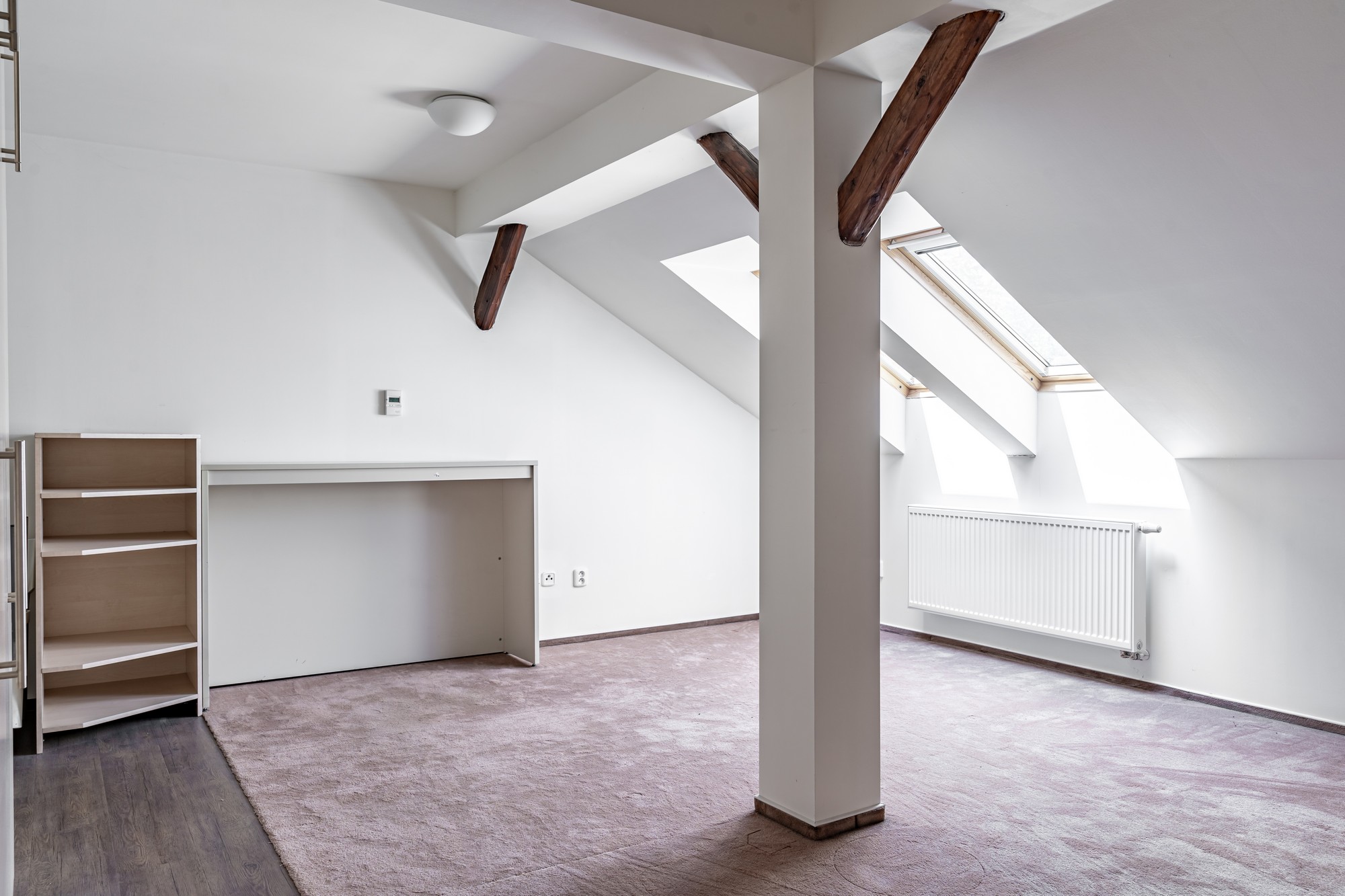
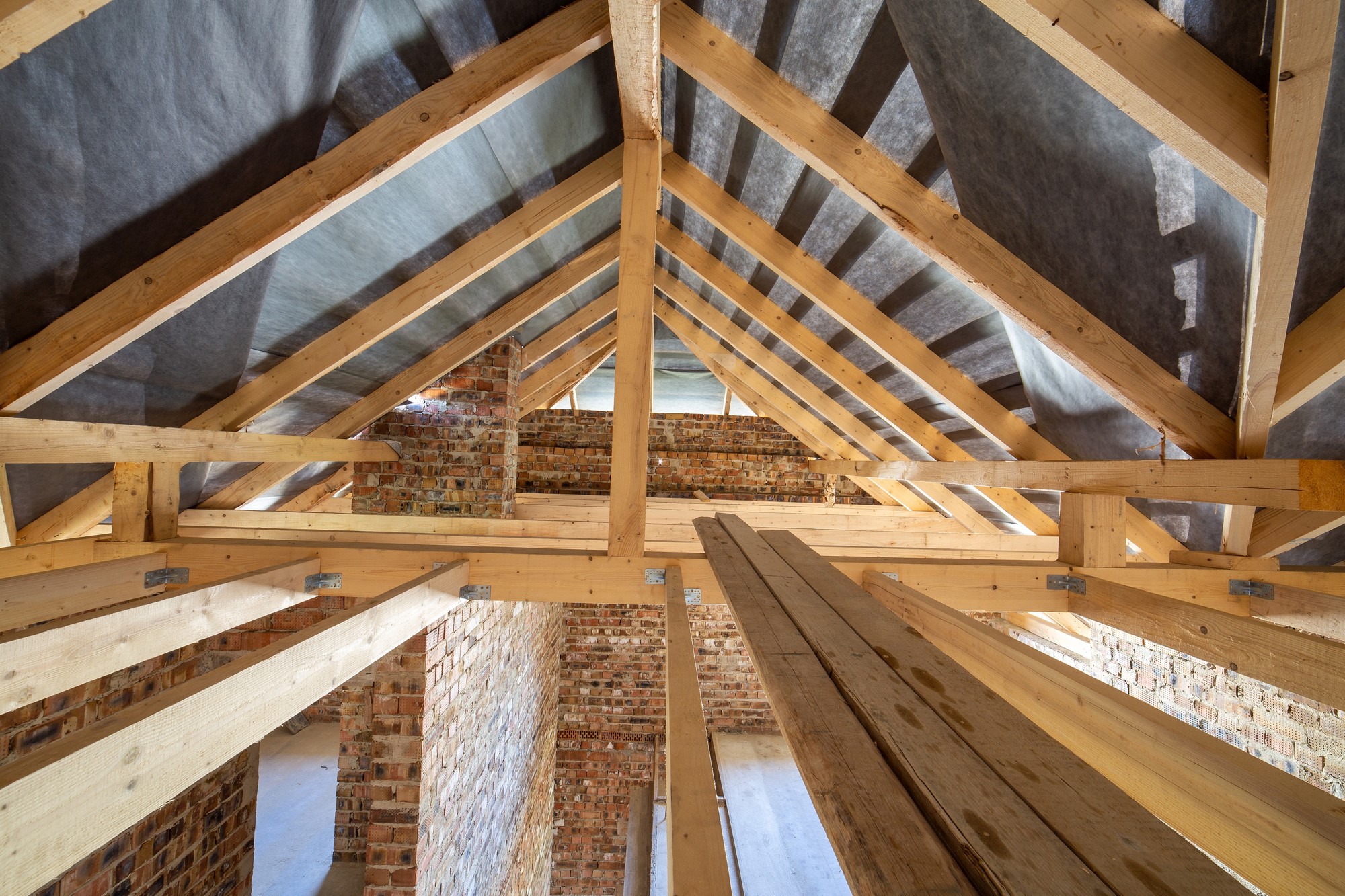
Most homes are constructed with ceiling joists whose primary purpose is to support the ceiling below rather than act as structural flooring.They are designed to carry:The plasterboard ceiling Insulation materials Electrical cables Occasional maintenance accessThey are not normally intended to support significant amounts of stored belongings.When people begin stacking boxes of books, gym equipment, furniture or large household appliances in their loft, they may unknowingly exceed what those joists were originally designed to carry.That does not necessarily mean the ceiling will collapse overnight, but repeated overloading can cause gradual movement, cracking and long term structural issues.
Loft boarding itself does not automatically increase the structural strength of your loft.
Boards simply spread weight more evenly across the joists, providing a safe walking surface and protecting insulation from being compressed.
The overall weight capacity still depends on the strength of the structure beneath.
This is why professionally installed systems are so important.
At Taylor Made Lofts, loft boarding projects are carefully assessed to ensure they are appropriate for each individual property. Every installation is designed around the existing structure rather than relying on assumptions.
Modern homes are required to have much deeper insulation than properties built several decades ago.If boards are laid directly onto the joists, the insulation becomes compressed.Compressed insulation performs far less effectively, allowing valuable heat to escape through the roof and increasing household energy bills.
Most professionally boarded lofts are ideal for storing lightweight and moderately heavy household possessions.Suitable items include:Christmas decorations Suitcases Seasonal clothing Camping equipment Children's toys Empty storage boxes Bedding and duvets Archived paperwork Lightweight household itemsThese are exactly the types of belongings that many families struggle to store elsewhere within the home.A properly boarded loft allows these possessions to be organised safely while freeing valuable living space downstairs.
Certain items should be stored elsewhere, regardless of whether your loft has been boarded.These include:Large collections of books Home gym equipment Safes Pool tables Heavy furniture Kitchen worktops Large quantities of tiles Building materials Exercise machines Large water tanks unless specifically designed for the spaceAlthough each item may seem manageable individually, their combined weight can quickly become significant.Concentrating heavy loads into one corner of the loft may place excessive stress on a relatively small section of the ceiling structure.Spreading weight more evenly certainly helps, but professional advice should always be sought before storing particularly heavy items.
Landlords often overlook loft spaces when preparing rental properties.A professionally boarded loft can provide valuable additional storage for tenants, making a property more attractive to prospective renters.However, landlords also have a responsibility to ensure that storage areas are safe.Professional installation provides reassurance that the loft has been boarded correctly without damaging insulation or placing unnecessary stress on the property's structure.It also helps protect the long term condition of the building while offering tenants a practical storage solution.
How Can You Tell If Your Loft Is Carrying Too Much Weight?An overloaded loft does not always show immediate signs of distress, which is why it is important to remain vigilant. Structural issues often develop gradually over time as excessive weight continues to place pressure on the ceiling joists.Some warning signs include:Cracks appearing in ceilings below the loft Doors that begin sticking without explanation Floors that feel uneven Joists that appear to bow or sag Creaking noises when moving around the loft Loft boards that no longer sit levelIf you notice any of these issues, avoid adding further weight until the loft has been professionally assessed. Early intervention can prevent more serious and costly structural repairs.
Some homeowners require more storage than a standard boarded loft can safely provide. In these situations, strengthening work may be appropriate.
This could involve installing additional structural timbers or carrying out more extensive alterations depending on the intended use of the loft.
It is important to understand that creating a storage area is very different from creating a habitable room. Loft conversions are subject to different structural requirements and Building Regulations than loft boarding for storage.
A professional survey will determine whether strengthening is necessary before any work begins.
Making sensible decisions about what you store can significantly reduce the risk of overloading your loft.Consider the following advice:Spread heavier items across the loft rather than placing everything in one location. Store lighter belongings above bedrooms where possible. Use strong plastic storage boxes with secure lids. Label boxes clearly so you do not need to move everything each time you visit the loft. Avoid storing damp items that could encourage mould. Keep walkways clear for safe access. Do not stack boxes excessively high. Regularly review stored belongings and dispose of items you no longer need.A well organised loft is not only safer but also far more practical to use.
So, how much weight can a boarded loft hold?
There is no single answer that applies to every property. The safe weight capacity depends on the structure of your home, the condition of the ceiling joists and the quality of the loft boarding installation.
Rather than assuming a boarded loft can support unlimited storage, it is always best to seek professional advice before storing particularly heavy items.
A professionally designed raised loft boarding system allows you to maximise storage while protecting your insulation, maintaining energy efficiency and preserving the structural integrity of your home.
If you live in Dorset or anywhere across the South Coast and would like to make better use of your loft space, Taylor Made Lofts can provide expert advice and professionally installed loft boarding solutions tailored to your property.