A well boarded loft can provide valuable storage space and help you reclaim rooms that have become crowded with boxes, seasonal belongings and household items. However, this does not necessarily mean that you should board every available inch of your loft.


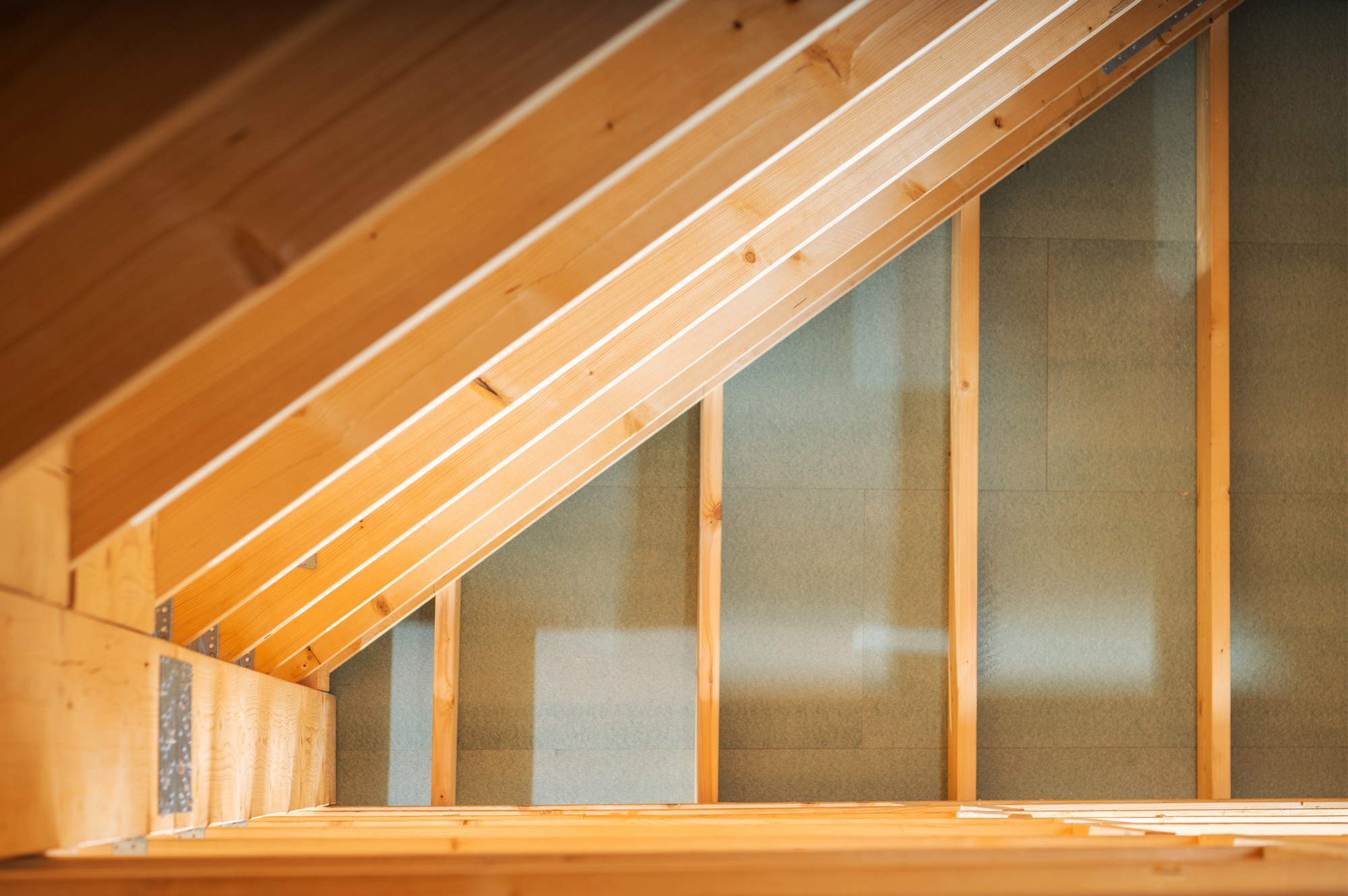
You do not usually need to board the whole loft simply because the space is available.The sloping sections close to the eaves can be difficult to reach and may offer limited practical storage. Boarding these areas could increase the cost of the project without providing a meaningful benefit. Pipes, cables, water tanks, roof supports and ventilation points may also restrict where boarding can be installed safely.In many properties, the central section of the loft provides the most useful storage area. It normally offers greater headroom and easier access, making it more practical for boxes, suitcases, decorations and other belongings.Nevertheless, some households have substantial storage requirements. In these cases, boarding a larger proportion of the loft may be worthwhile. A professional can assess which areas are genuinely useful and design the installation around the shape and structure of the property.
There is no universal percentage that suits every home. Instead, the amount of loft boarding should reflect how you intend to use the space.
Start by considering what you want to store. If you only need somewhere for Christmas decorations, empty suitcases and a few boxes of keepsakes, a modest area near the loft hatch may be sufficient. If you are trying to clear a spare bedroom, garage or home office, you may need a considerably larger boarded area.
It also helps to consider future requirements. A very small platform may meet your present needs but quickly become overcrowded. Conversely, boarding an entire loft when you only require a few square metres of storage could represent unnecessary expense.
The most effective solution should give you enough room for your belongings while retaining a clear route through the loft. You should be able to enter the space, move around safely and reach individual items without climbing over unstable piles.
If you are uncertain about the appropriate area, Taylor Made Lofts can inspect the available space and recommend a practical loft boarding solution. A free onsite survey allows the team to consider the property itself rather than relying on a general estimate.
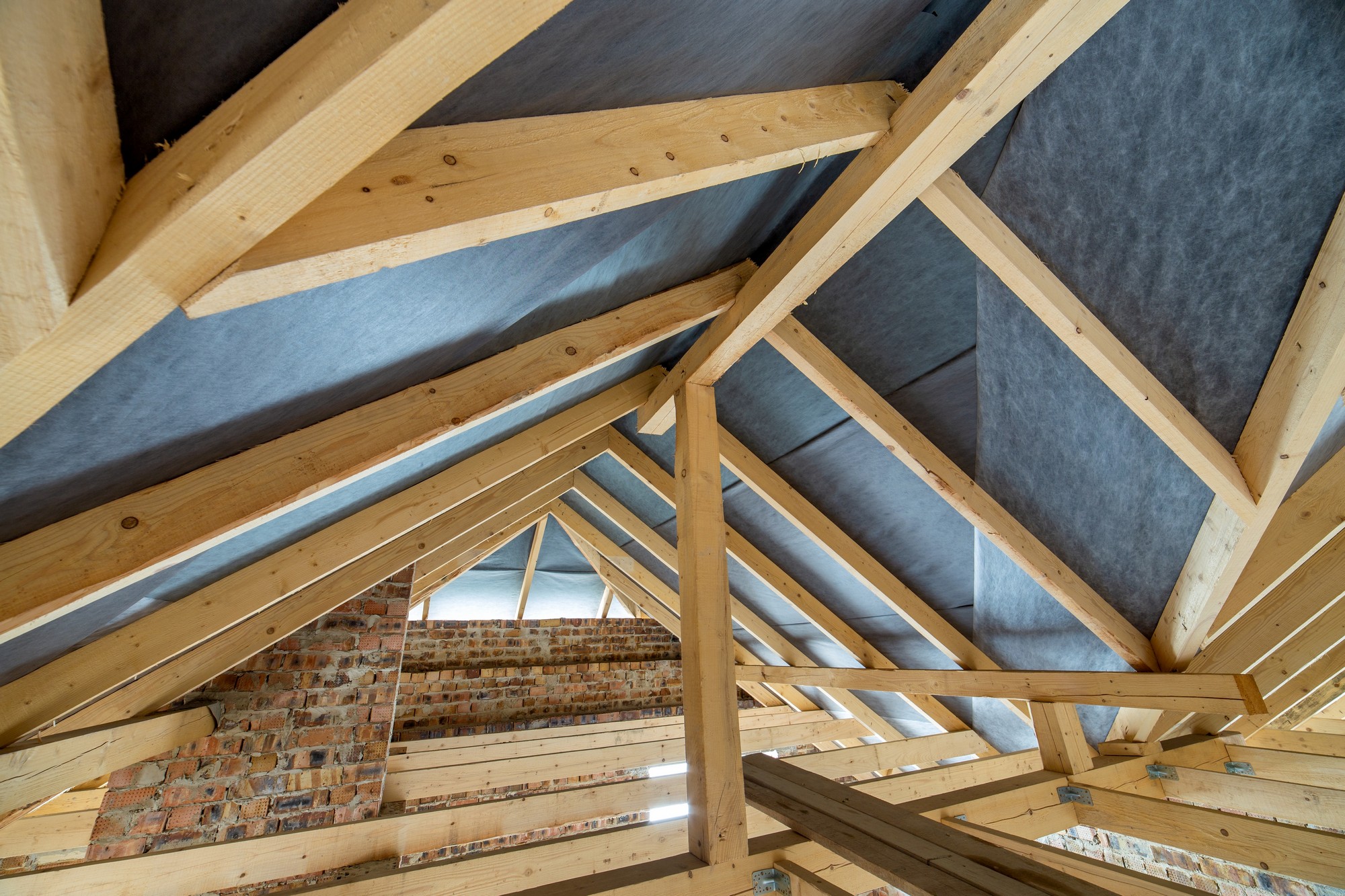
Your belongings will influence both the size and design of the boarded area.Light items such as clothing, decorations and empty luggage have different storage requirements from boxes filled with books, documents or tools. Loft boarding creates a stable surface, but this does not mean the space can support an unlimited amount of weight.You should therefore avoid filling a loft with exceptionally heavy belongings without professional advice. Water tanks, roof timbers and other structural features can also affect how weight should be distributed.A professional assessment can establish whether the existing structure is suitable and whether joist extensions or another boarding system may be required. This gives you a storage area tailored to the property rather than a generic platform installed without sufficient consideration.
Useful loft storage must be easy to reach. A large boarded space has limited value if access remains awkward or unsafe.
Positioning the main storage area close to the loft hatch can make it easier to move boxes into and out of the loft. However, the layout should also leave enough room to step safely from the ladder onto the boarded surface.
You may wish to consider upgrading the hatch and ladder at the same time as the boarding. Taylor Made Lofts installs loft hatches and ladders designed to provide secure, convenient access. Available options include folding, sliding and telescopic ladders, depending on the space and intended frequency of use.
Good access becomes particularly important when you plan to use the loft regularly. A stable ladder, suitable hatch and clear walking route can make the entire storage area more practical.

Insulation is one of the most important considerations when planning professional loft boarding.Laying boards directly over insulation can compress the material. This may reduce its effectiveness and restrict ventilation within the loft. Removing insulation to make room for boards may also increase heat loss from the rooms below.A raised loft boarding system can create a usable storage surface above the insulation. This allows the insulation to retain the depth it needs while providing a solid platform for suitable stored belongings.Taylor Made Lofts offers joist extensions and raised boarding systems designed to protect insulation and ventilation while creating practical storage. The company also installs Rockwool and SuperFoil insulation where an upgrade forms part of the wider loft project.Arranging the insulation and boarding together can help prevent one improvement from compromising another. It also gives the installer an opportunity to identify gaps, ageing materials or areas that require attention before the new boards are fitted.
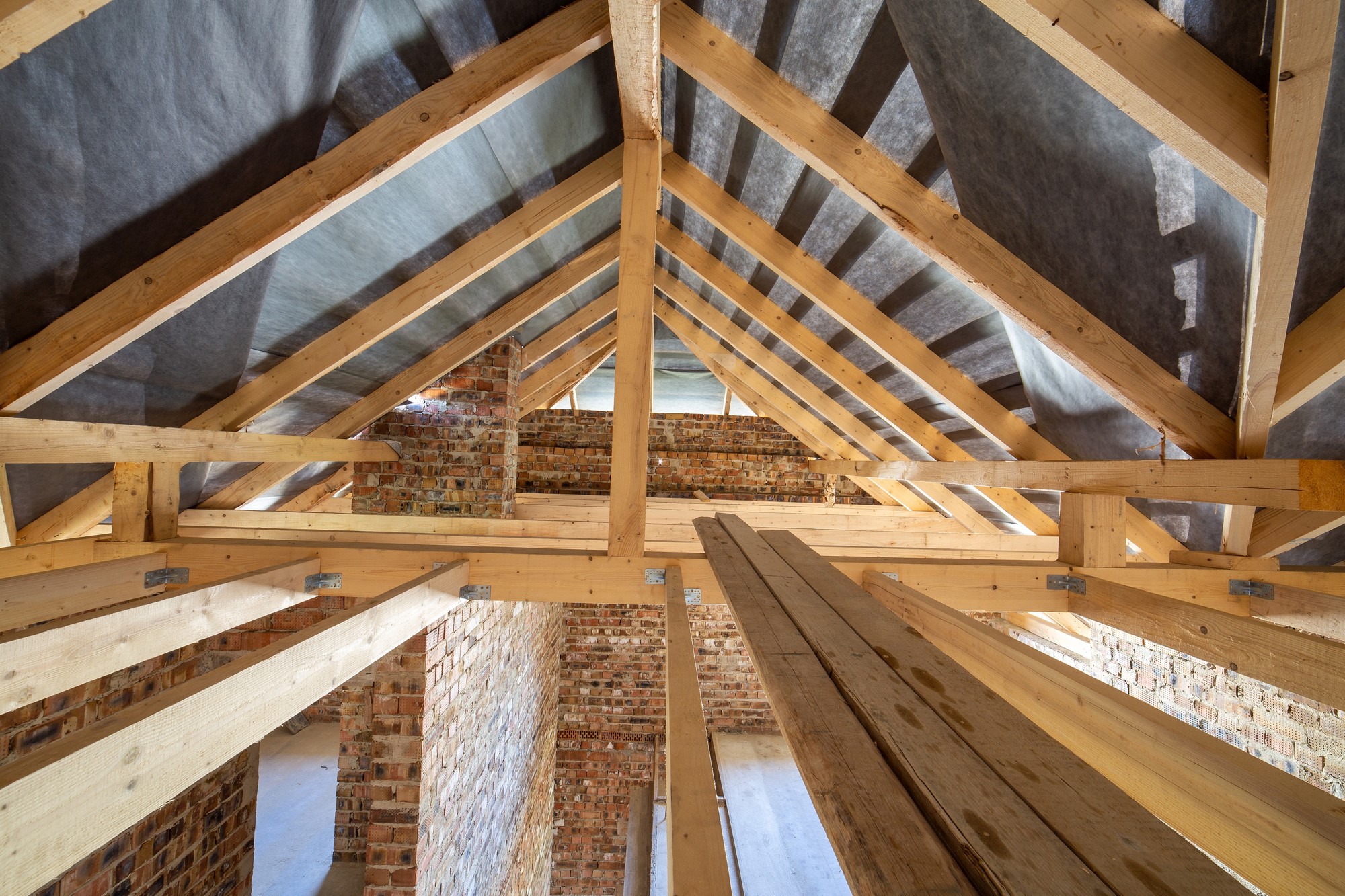
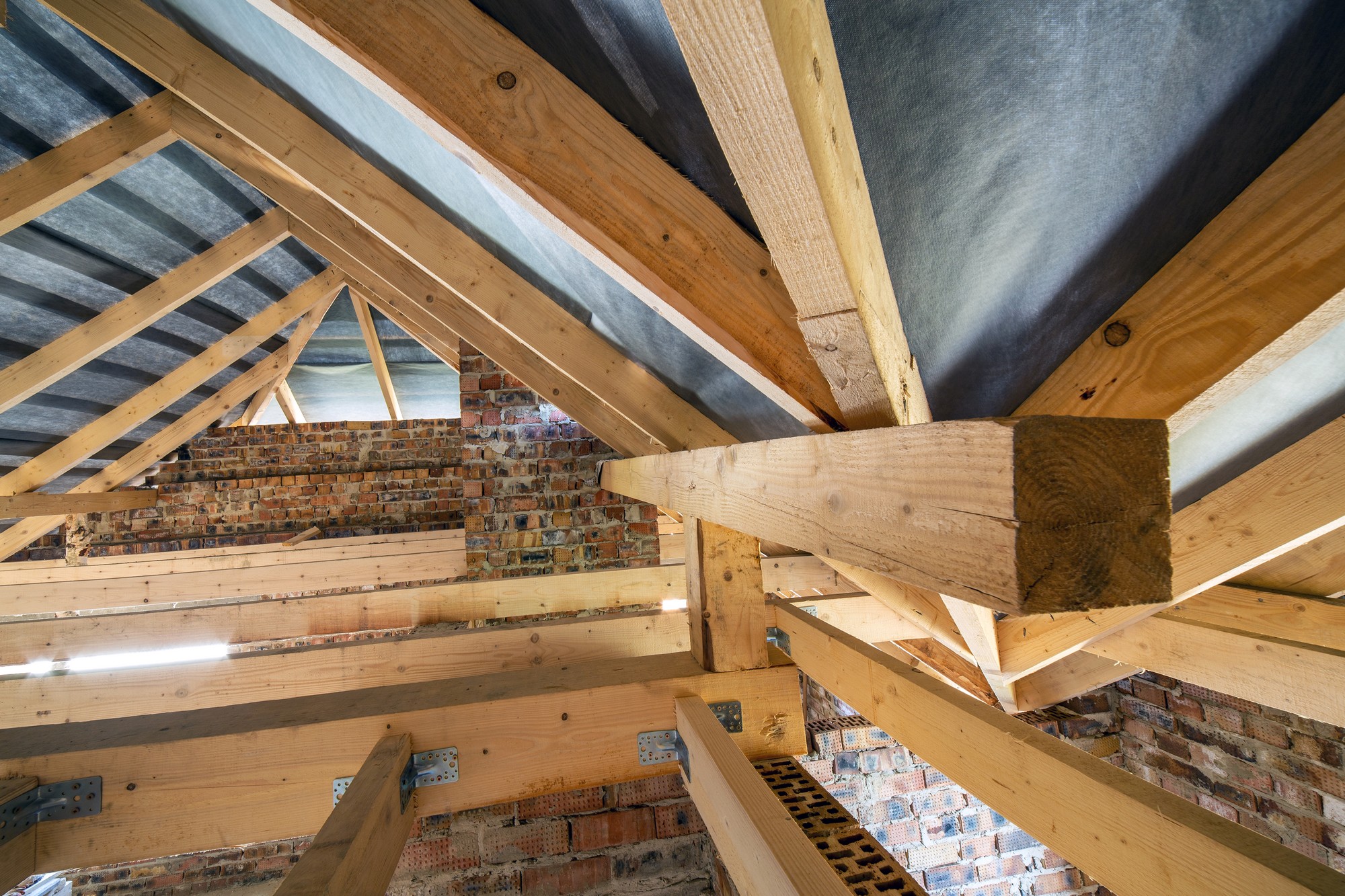
Most lofts contain features that affect where boards can be placed. These may include electrical cables, pipework, water tanks, chimney breasts, ventilation ducts and roof supports.
These elements should remain accessible for future inspection, maintenance and repairs. Covering them without a considered plan could create difficulties later and may increase the risk of accidental damage.
Rather than forcing boards into every corner, it is often more sensible to create a clean and accessible storage zone around the existing features. Removable sections or carefully planned routes may be appropriate in some circumstances.
This is another reason why the ideal amount of boarding cannot be determined solely from the total floor area. Two lofts of the same size may require very different arrangements because their internal layouts differ.

A loft needs appropriate airflow to help manage moisture and reduce the risk of condensation.Boarding should not obstruct ventilation points or prevent air from circulating around the loft. This is especially important near the eaves, where ventilation may be present. Filling these restricted areas with boards and tightly packed boxes can interfere with airflow.A professional installer can consider ventilation when planning the boarded area. Leaving unsuitable sections unboarded is sometimes the more responsible choice, even if it means using slightly less of the available floor space.
The following considerations can help you decide which option may suit your home.
A smaller section may be sufficient if you have limited belongings, only need occasional access or want to create a simple storage platform close to the hatch.This option can provide an economical way to make part of the loft more useful. However, the area should still be professionally assessed and installed with proper regard for insulation, ventilation and the existing structure.
A larger area may suit growing families, homeowners with limited cupboard space or anyone seeking to clear other rooms.More extensive boarding gives you greater flexibility and can make it easier to organise belongings into clearly defined sections. You should still retain safe walking routes and avoid using inaccessible corners merely because they are technically available.
Boarding most of the practical floor area may be worthwhile when storage is a significant priority. This does not necessarily mean covering every corner. A carefully designed installation can concentrate on the accessible central area while working around obstructions and low sections beneath the roof.A free onsite survey can help establish which of these approaches offers the best balance of storage, accessibility and value.
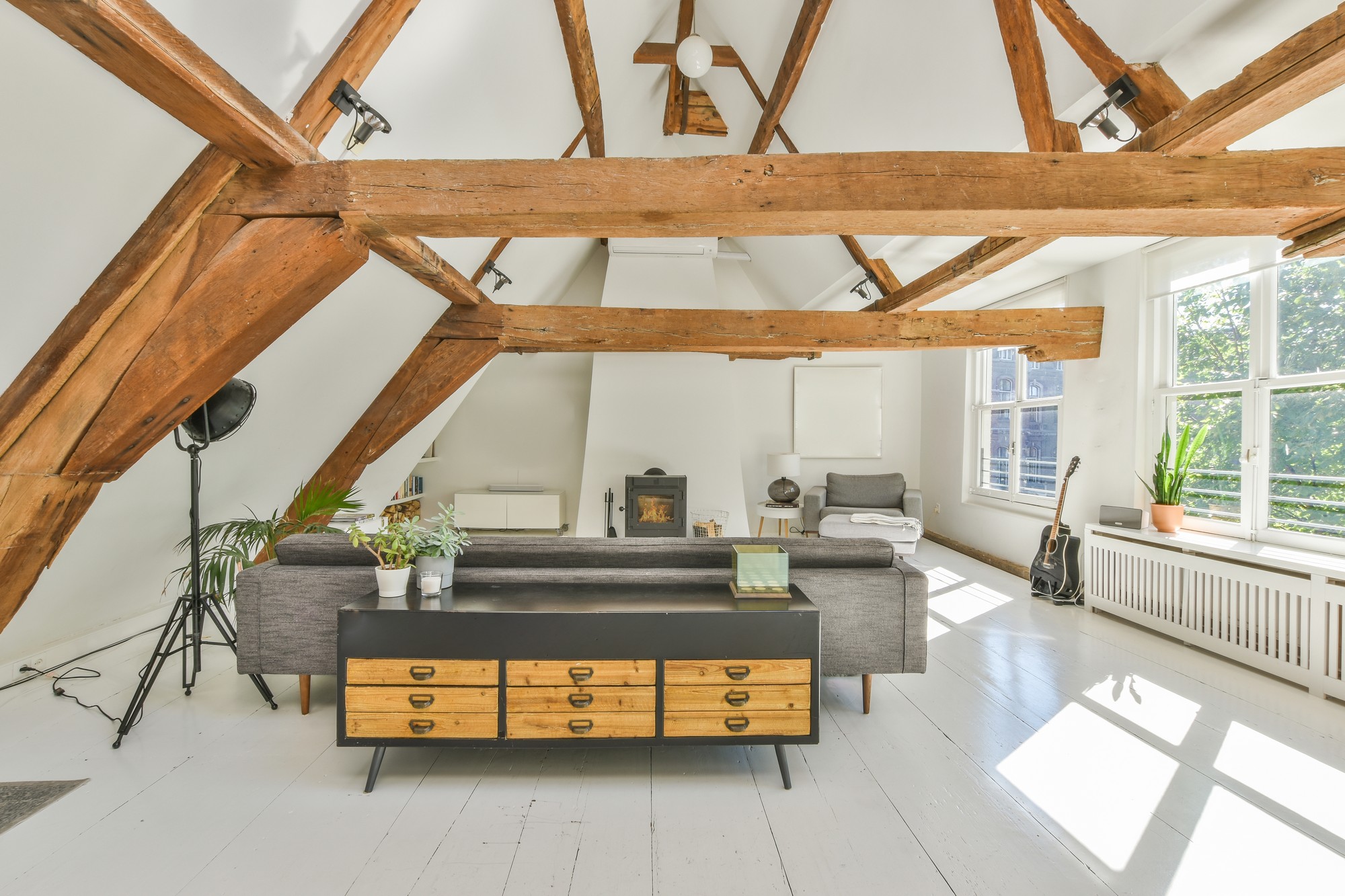
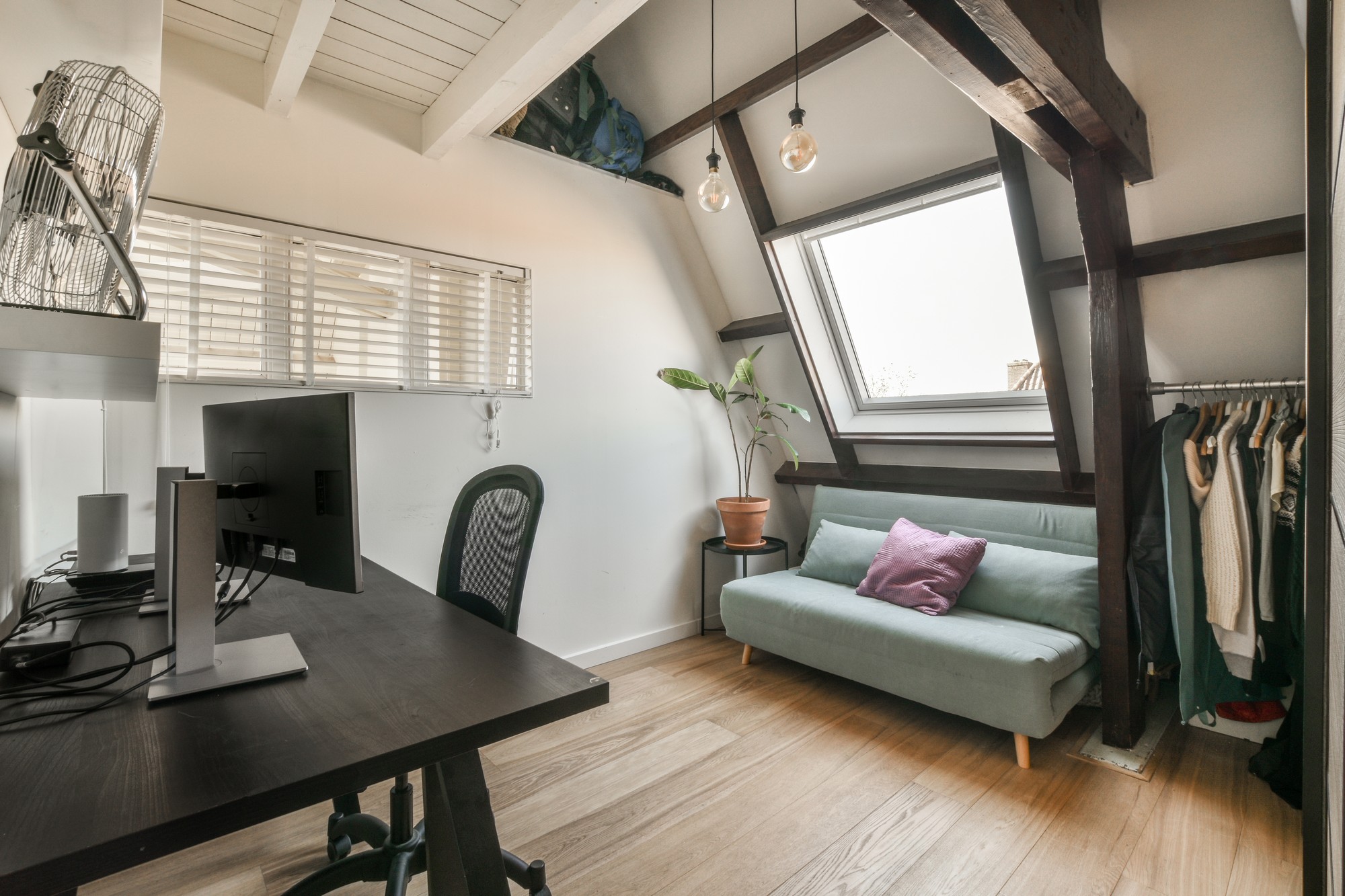
Loft boarding for storage does not turn a loft into a bedroom, office or other living space.A boarded storage loft and a habitable loft conversion have different purposes and requirements. Installing floorboards, lighting or a ladder does not automatically make the area suitable for regular occupation.If you want a cleaner and more organised space for storage and light use, a non habitable loft conversion may be appropriate. This can include improved access, boarding, insulation and lighting. However, you should seek professional guidance if your intention is to create an occupied room.
The best loft storage solution is not necessarily the largest one. It is the one that gives you sufficient space, preserves the performance of your insulation and allows you to reach your belongings comfortably.
Before requesting a quotation, consider what you want to store, how often you will enter the loft and whether your needs are likely to change. A professional can then use this information alongside an assessment of the loft itself.
Taylor Made Lofts follows a clear process from the initial consultation and planning through to installation and final inspection. The work can be tailored to the property, helping homeowners avoid paying for unusable areas or ending up with too little storage.

So, how much of a loft should you board for storage? For many households, a well planned section within the accessible central area will be enough. Other homes may benefit from a larger installation or from boarding most of the genuinely usable space.The decision should account for your belongings, available headroom, safe access, insulation, ventilation, structural suitability and existing obstructions. You should not assume that every visible part of the loft can or should be covered.If you want to create practical loft storage in Dorset or the South, contact Taylor Made Lofts. The team can assess your loft, discuss your storage requirements and recommend a suitable combination of boarding, joist extensions, insulation and improved access. Complete the online enquiry form to arrange your free onsite survey and receive a detailed, no obligation quotation.
It may be possible to board a large proportion of some lofts, but covering the entire area is not always practical or necessary. Low headroom, ventilation points, pipework, cables and roof supports can make certain sections unsuitable. A professional survey can identify the genuinely usable area.
A small boarded section may be enough if you only need to store a limited number of boxes, suitcases or seasonal items. Consider your future requirements as well as your present needs so that the space does not become overcrowded too quickly.
Boards should not compress the insulation. A raised loft boarding system can create a stable storage surface while preserving the depth and performance of the insulation beneath it.
The answer depends on the structure, boarding system and property. Boarding does not give a loft unlimited load capacity. Arrange a professional assessment and avoid storing exceptionally heavy items without appropriate advice.