A well insulated loft can make a considerable difference to the comfort and efficiency of your home. Since warmth naturally rises, an inadequately insulated roof space can allow valuable heat to escape. Your heating system must then work harder to maintain a comfortable temperature.


Effective loft insulation slows the movement of heat between your home and the roof space. As a result, rooms can retain warmth more effectively during colder weather. Insulation can also help regulate indoor temperatures during the warmer months.This improved thermal performance may reduce the amount of energy required to heat your home. In turn, it could help lower your energy bills. The precise benefit will depend on your property, heating habits and the condition of the existing insulation.Loft insulation can also improve comfort throughout the house. Rooms directly beneath the loft may feel less draughty, while temperatures can remain more consistent. Therefore, installing suitable insulation represents a sensible investment in the continuing performance of your property.However, insulation must work alongside appropriate ventilation. Simply filling every available space with material may restrict airflow and encourage condensation. A professional survey can identify how to improve thermal performance without disrupting the ventilation that protects your roof.

Loft insulation does not always remain effective indefinitely. Older material may have been installed to a standard that no longer meets the needs of the property. It can also become compressed, disturbed or damaged over time.You may need to consider new loft insulation if your home feels difficult to heat, upstairs rooms become cold quickly or your energy use appears unusually high. Uneven temperatures can also indicate incomplete coverage or gaps around the loft.Furthermore, water ingress, pests and careless storage can damage insulation. Heavy boxes placed directly on soft insulation may compress the material and reduce its effectiveness. Meanwhile, previous electrical, plumbing or roofing work may have displaced sections.A survey from Taylor Made Lofts can establish whether the existing material remains suitable. The team can then recommend an appropriate solution based on the condition and intended use of the space.
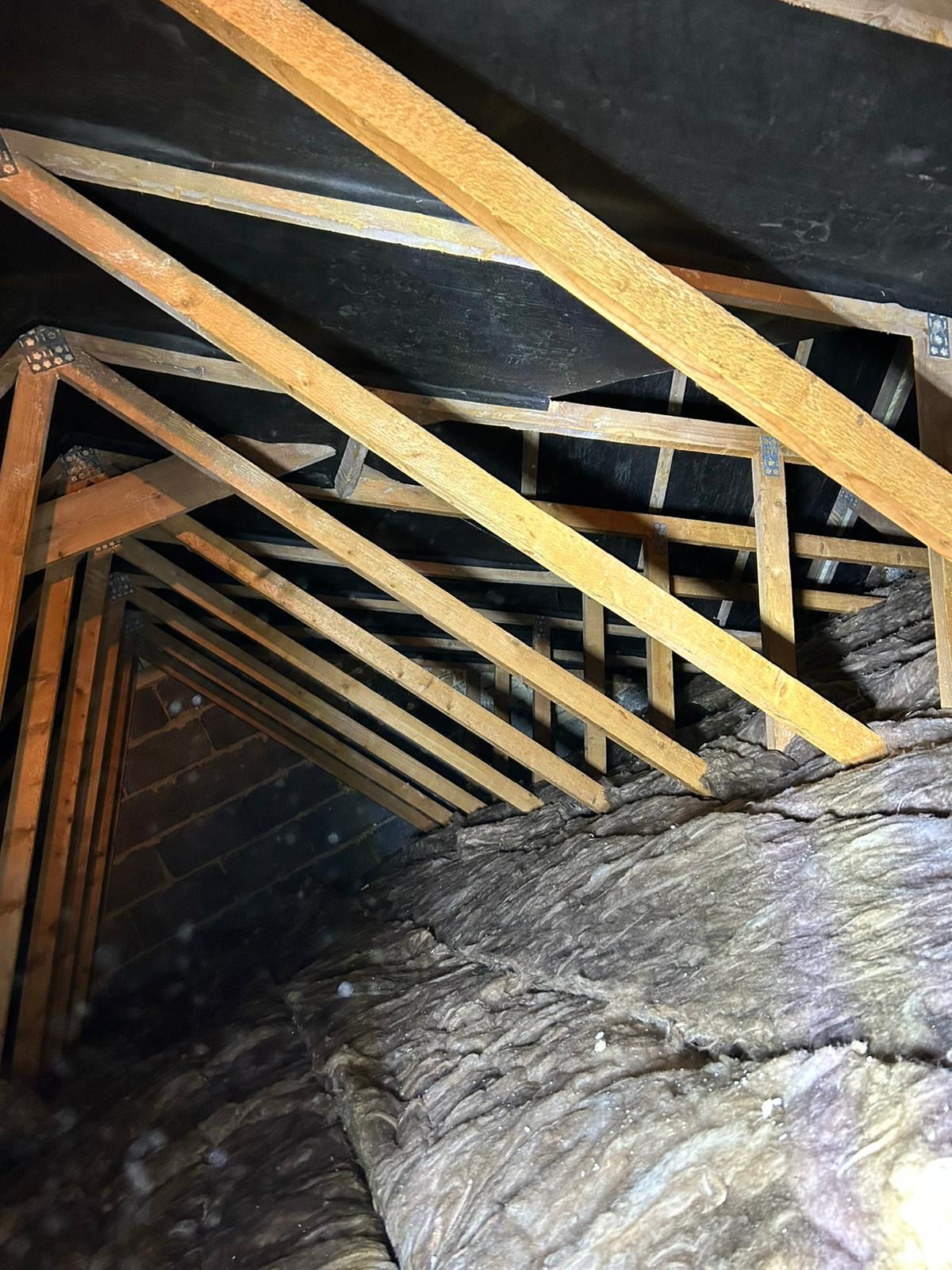
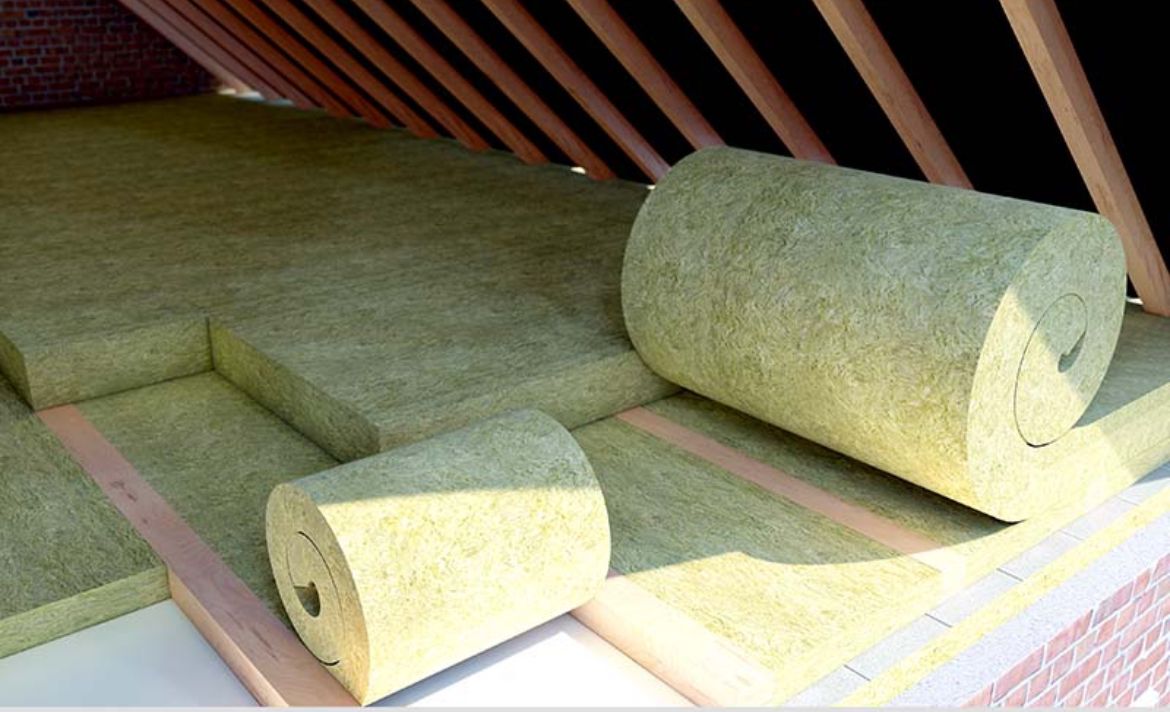
Rockwool insulation consists of fibres produced from natural stone. Installers commonly fit the material between and across loft joists to create consistent thermal coverage.
Rockwool traps air within its fibrous structure. This slows heat transfer and helps the property retain warmth. It also offers acoustic benefits, which may reduce the transmission of some external noise through the roof.
Another important feature is its fire performance. Rockwool is non combustible, making it an attractive option for homeowners who value both thermal and fire resistant qualities.
The material can suit accessible lofts where there is sufficient space to install the necessary depth. It may also work well when a homeowner wants insulation laid at ceiling level beneath a cold roof space.
Correct coverage remains essential. Gaps, thin areas and compressed material can all undermine performance. Therefore, Taylor Made Lofts installs Rockwool carefully around joists, services and other features while maintaining the ventilation required by the roof.

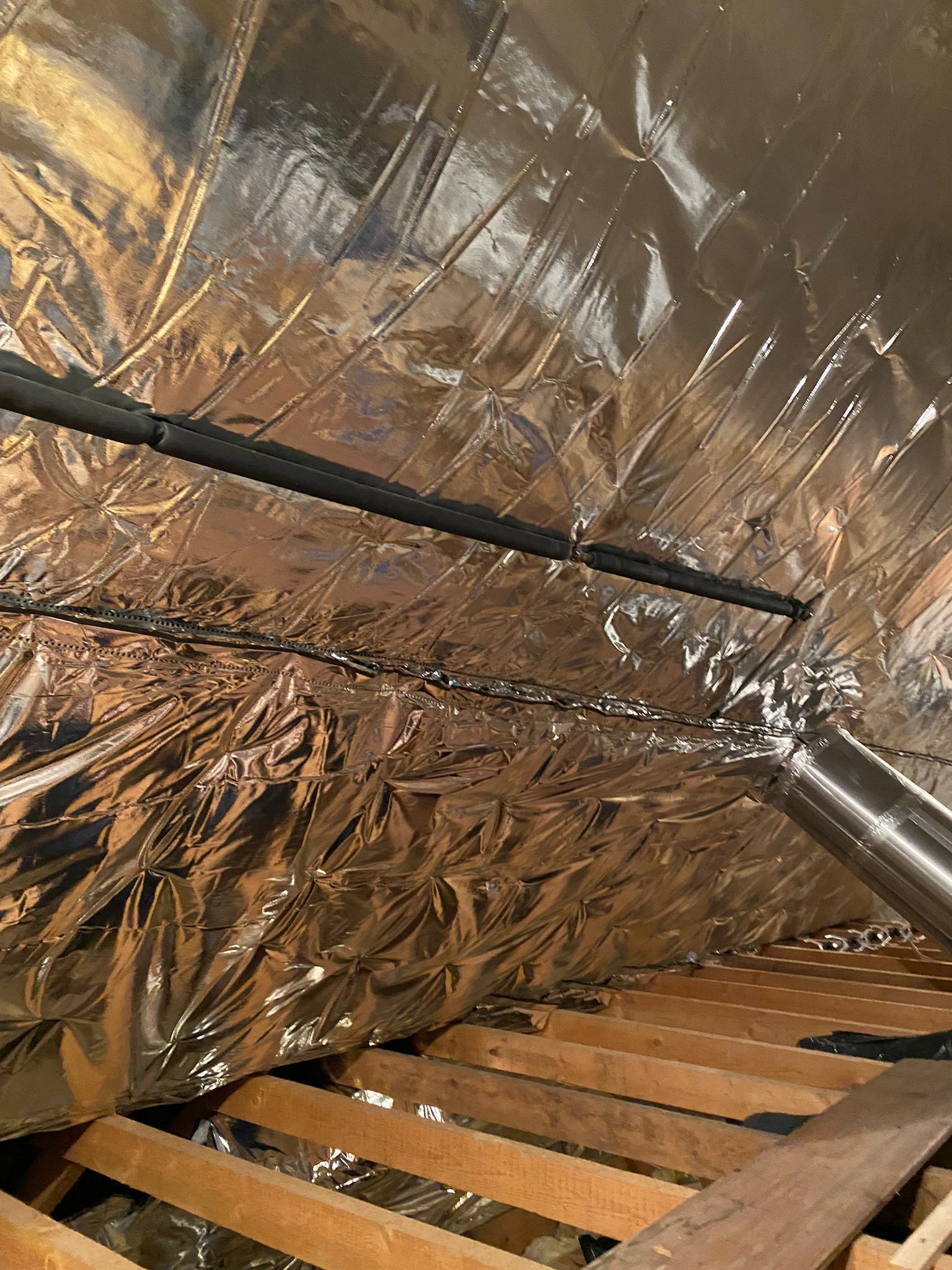
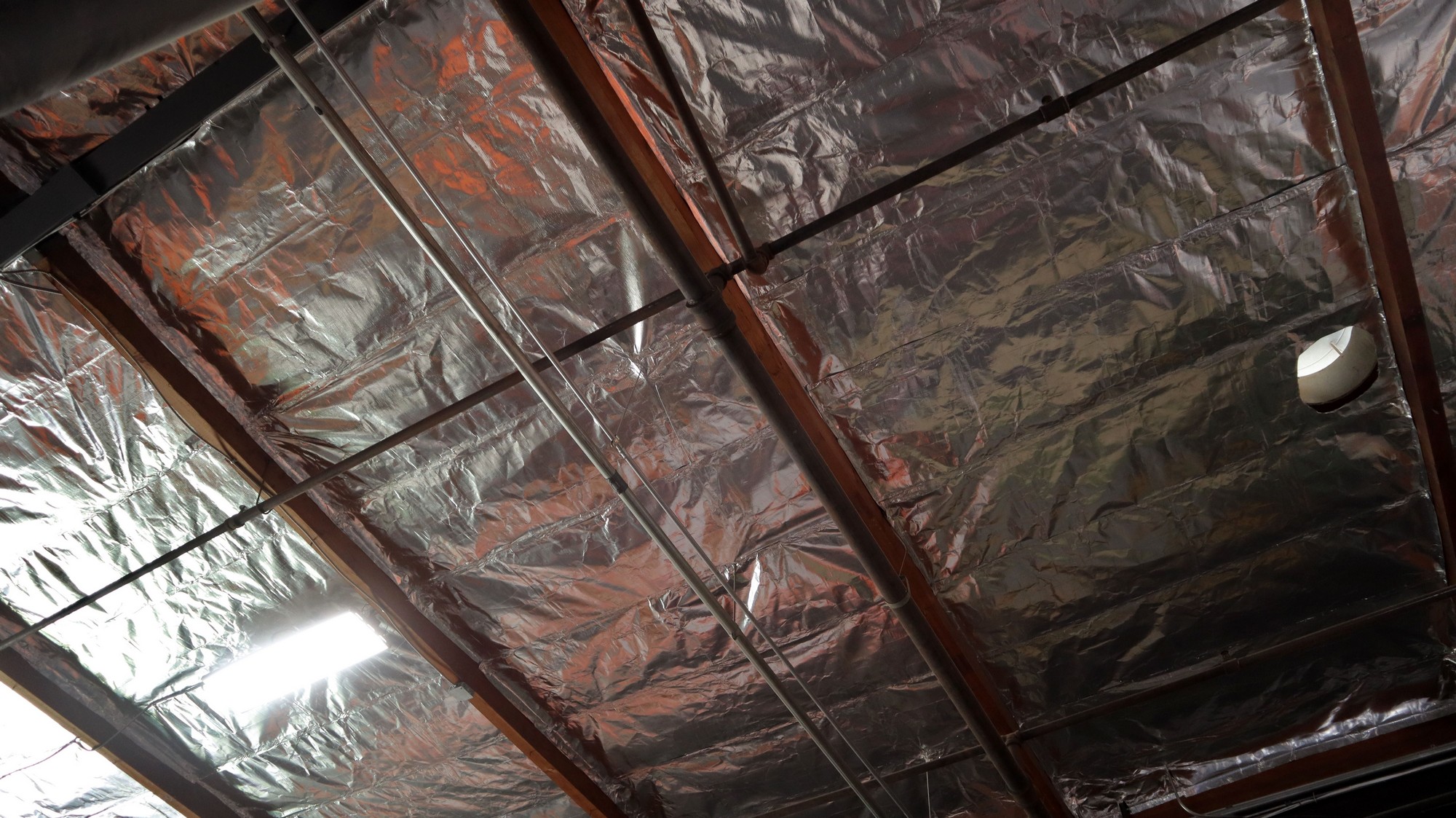
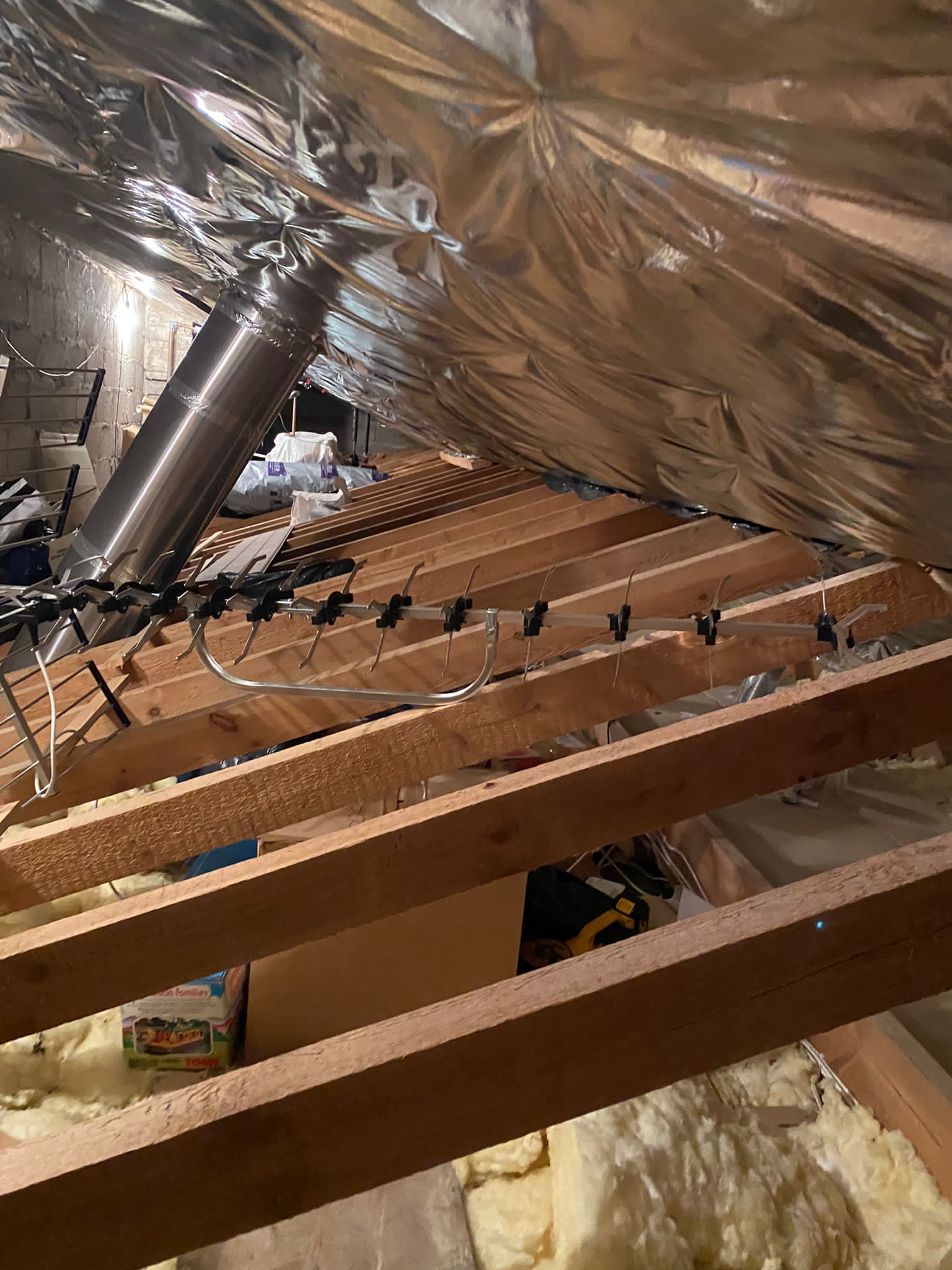
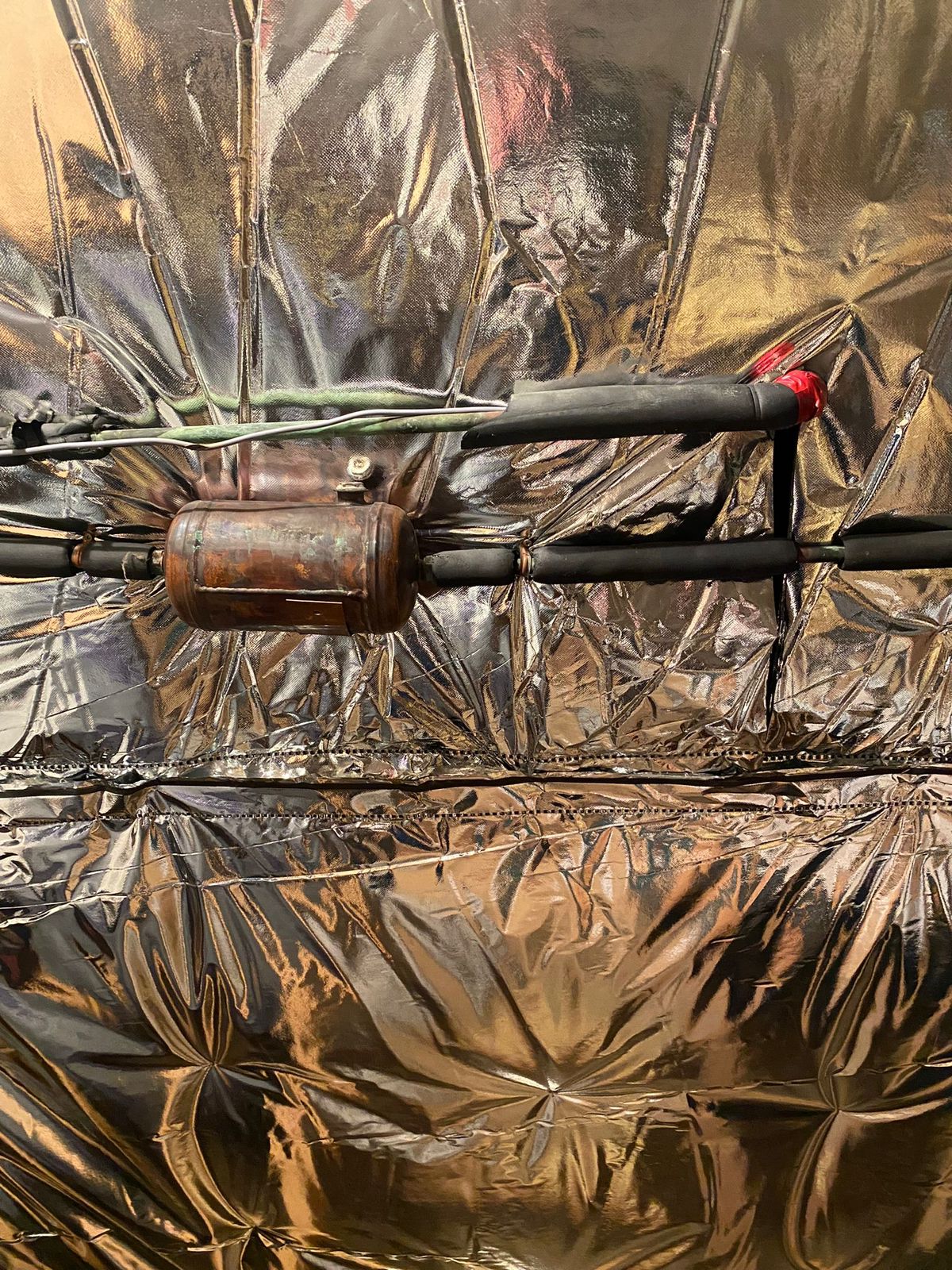
SuperFOIL insulation uses several reflective layers to manage heat transfer. Its comparatively slim construction can make it useful where headroom is limited or bulky insulation would prove impractical.Depending on the chosen product and installation design, SuperFOIL can form part of an insulation and vapour control system. This can help manage the movement of water vapour through the roof structure. Nevertheless, joints, overlaps and seals must receive careful attention if the system is to perform correctly.SuperFOIL may suit projects where the insulation follows the roof slope. It can also appeal to homeowners who want to preserve more usable space within the loft. However, the appropriate application depends on the precise product, roof construction and required thermal performance.Professional installation is particularly important with reflective insulation. The surrounding air spaces and the manner in which installers join the material can affect its performance. Taylor Made Lofts will assess the roof before recommending a suitable specification.
Neither material is automatically the right choice for every home.
Rockwool often suits conventional lofts where insulation can be laid at ceiling level. It provides dependable thermal performance, acoustic benefits and strong fire resistance. However, the required depth may affect available storage space unless the boarding sits on a properly designed raised structure.
SuperFOIL may prove more suitable where space is restricted or insulation needs to follow the roof slope. Its reflective construction can provide thermal performance without the bulk associated with some conventional materials. It can also contribute to vapour control when specified and installed correctly.
The intended use of your loft will influence the decision. A simple roof space may require a different approach from a loft used for organised storage. Likewise, a non habitable loft conversion needs a carefully considered design that accounts for insulation, ventilation, access and usable space.
Taylor Made Lofts can inspect your property and explain which solution best meets your needs. This removes uncertainty and helps you avoid choosing a material solely because it appears convenient.
The effectiveness of loft insulation depends upon much more than the material itself. Coverage, depth, fitting quality and moisture management all influence the finished result.Poorly fitted insulation can leave gaps and cold areas. It may also cover ventilation routes, electrical fittings or other features that require careful treatment. In some cases, installers must address damaged material or moisture problems before adding new insulation.A professional assessment considers the whole loft. This includes the roof structure, existing ventilation, loft access and any plans for storage. If you want to board the space, the design must avoid compressing the insulation beneath the floor.Taylor Made Lofts can coordinate insulation with loft boarding and suitable access improvements. This creates a more coherent result than treating each part of the loft separately.
The cost of loft insulation depends on the size and accessibility of the space. The chosen material, existing insulation and amount of preparation will also affect the quotation.
For example, a clear and easily accessible loft may require less preparation than one containing damaged insulation, awkward roof features or extensive stored belongings. Work involving raised boarding or improved access will also have different requirements.
Therefore, a generic price cannot accurately represent every project. Taylor Made Lofts provides a free site survey and a detailed, no obligation quotation. This allows the team to assess the loft properly and explain what the proposed work includes.

Some Dorset households may qualify for financial support. However, schemes and eligibility rules can change. Homeowners should always check current information before making plans.At the time of writing, the Government has extended the Energy Company Obligation scheme known as ECO4 until 31 December 2026. The scheme supports certain eligible households with energy efficiency improvements. The Great British Insulation Scheme ended on 31 March 2026. Government guidance confirms the current ECO4 timetable.The Warm Homes Local Grant can also support eligible households living in homes with an Energy Performance Certificate rating from D to G. Loft insulation is among the eligible measures. Income, benefits, postcode and property criteria may apply.Dorset residents can contact Healthy Homes Dorset for impartial advice about insulation grants and other support. Bournemouth, Christchurch and Poole residents can also review the latest home energy efficiency assistance available through BCP Council.Eligibility does not guarantee funding. Furthermore, Taylor Made Lofts does not administer these schemes. Homeowners should confirm their position with the relevant council, energy supplier or scheme provider.
Suitable loft insulation can improve comfort, reduce unnecessary heat loss and support the energy efficiency of your home. However, the material and installation method must suit the property.
Taylor Made Lofts installs Rockwool and SuperFOIL insulation throughout Dorset, including Poole, Bournemouth, Christchurch and Wimborne. Contact the team today to arrange your free site survey and receive a detailed, no obligation quotation for your loft insulation project.
The best material depends on the roof structure, available space, ventilation and intended use of the loft. Rockwool often suits insulation at ceiling level, while SuperFOIL may suit applications where space is limited or insulation follows the roof slope. A professional survey can determine the most appropriate option.
Sometimes installers can add new material over insulation that remains dry, clean and correctly positioned. However, damaged, contaminated or damp insulation may require removal. Taylor Made Lofts can inspect the existing material before recommending any work.
Yes, although storage needs careful planning. Boxes should not compress soft insulation because this can reduce its effectiveness. A properly designed raised loft boarding system can provide usable storage while preserving the required insulation depth.
Insulation may reduce cold surfaces, but it cannot resolve every cause of condensation. Ventilation, moisture levels and vapour movement also require consideration. A survey can identify whether the loft needs additional measures.