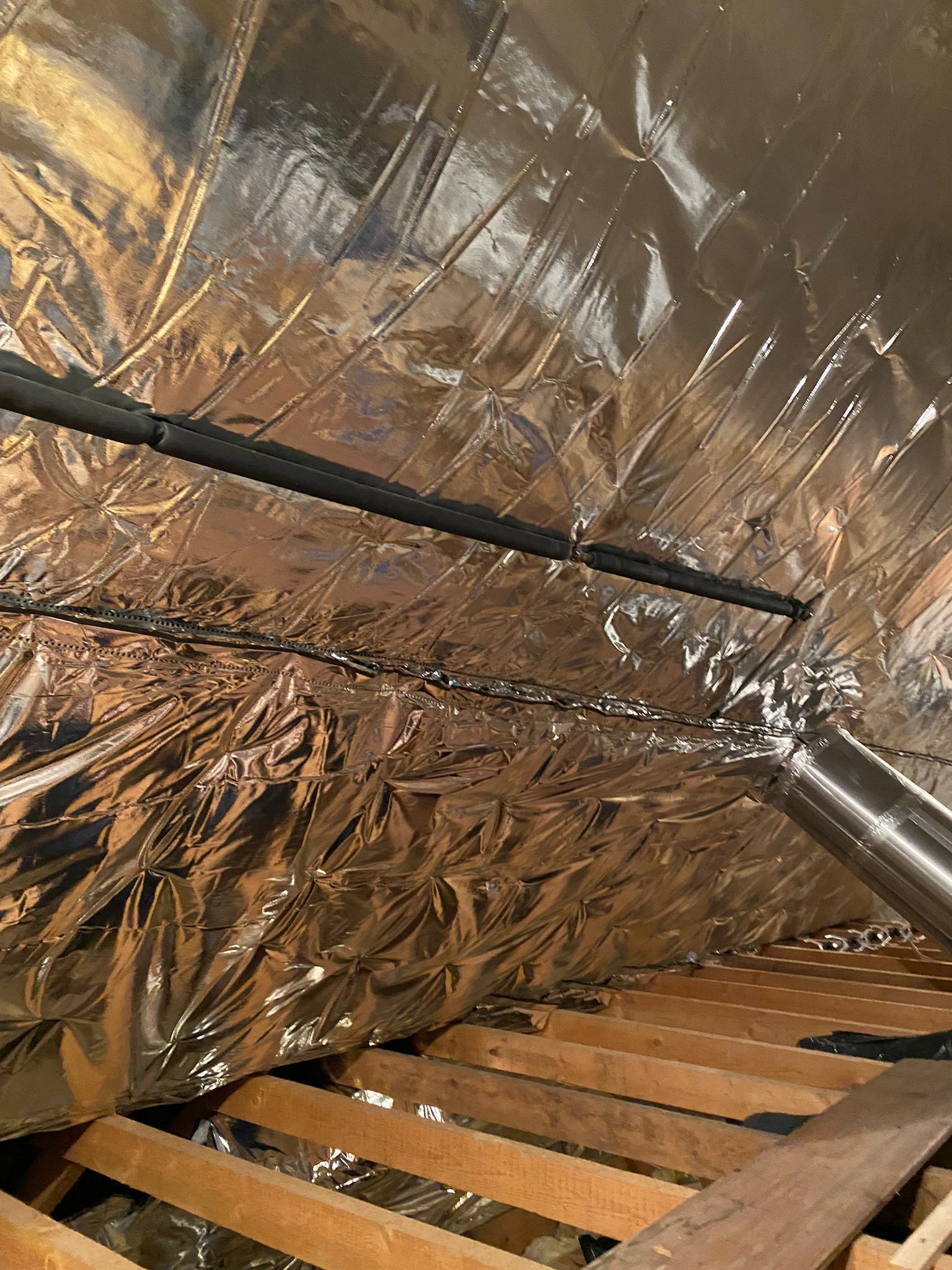
Good loft insulation can make a considerable difference to the thermal performance of your home. However, simply having some insulation in the loft does not necessarily mean that you have the right amount. Older properties in particular may have insulation that was installed many years ago, when recommendations differed from those followed today.So, what is the ideal loft insulation thickness for your home? The Energy Saving Trust currently recommends a minimum loft insulation depth of 270mm. For mineral wool insulation, 270mm is also identified as the minimum recommendation for new builds. However, the appropriate thickness can vary according to the insulation material, its thermal performance and the construction of the property.For homeowners in Bournemouth, Poole, Corfe Mullen, Ferndown, Broadstone and across Dorset and the South Coast, checking the condition and depth of existing insulation can be a sensible starting point when improving a loft.Taylor Made Lofts provides professional insulation services alongside loft boarding, joist extensions, loft hatches, ladders and practical loft improvements across Dorset and the South.
For a conventional loft insulated at floor level, 270mm is a useful figure to remember. The Energy Saving Trust recommends a minimum insulation depth of 270mm and specifically identifies this figure as the minimum recommendation for mineral wool in new builds.
Nevertheless, thickness should not be considered in isolation.
Different insulation products have different thermal characteristics. Consequently, two products of the same thickness may not necessarily provide precisely the same thermal performance. The design of the loft, existing insulation and intended use of the space can also influence the appropriate approach.
If you are unsure how much insulation is currently present in your Bournemouth or Poole home, a professional loft assessment can provide a clearer picture before you decide whether an upgrade is necessary.
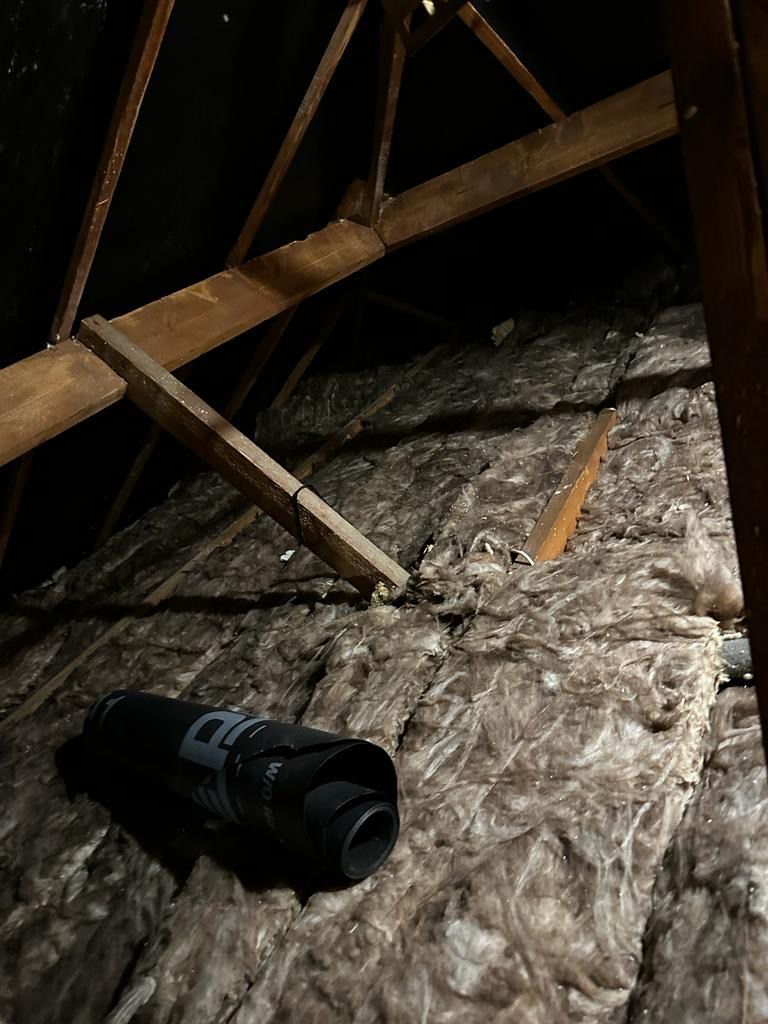
In many conventional lofts using mineral wool, 270mm is the recognised benchmark to consider. However, homeowners should resist the temptation to treat this number as an absolute answer for every property and every insulation product.For example, your loft may already contain an older layer of insulation. If that material remains in good condition, it may be possible to add further insulation over it rather than removing everything and beginning again. The Energy Saving Trust advises checking existing material for deterioration, weather damage, vermin damage or compression before adding another layer.If you currently have 120mm of suitable insulation, the Energy Saving Trust gives the example of adding at least another 150mm to reach its recommended minimum depth of 270mm.A professional assessment is particularly worthwhile when the existing insulation is difficult to inspect, has been compressed beneath boarding or appears damaged.
Yes. One of the most important points to understand about loft insulation thickness is that depth and thermal performance are related, but they are not interchangeable.
Mineral wool is a common choice for loft insulation and is frequently installed between and above ceiling joists. Other insulation materials may achieve the required thermal performance at a different thickness.
Therefore, homeowners should avoid assuming that every insulation product must simply be installed to exactly 270mm. The specification of the product and the requirements of the individual property should be considered.
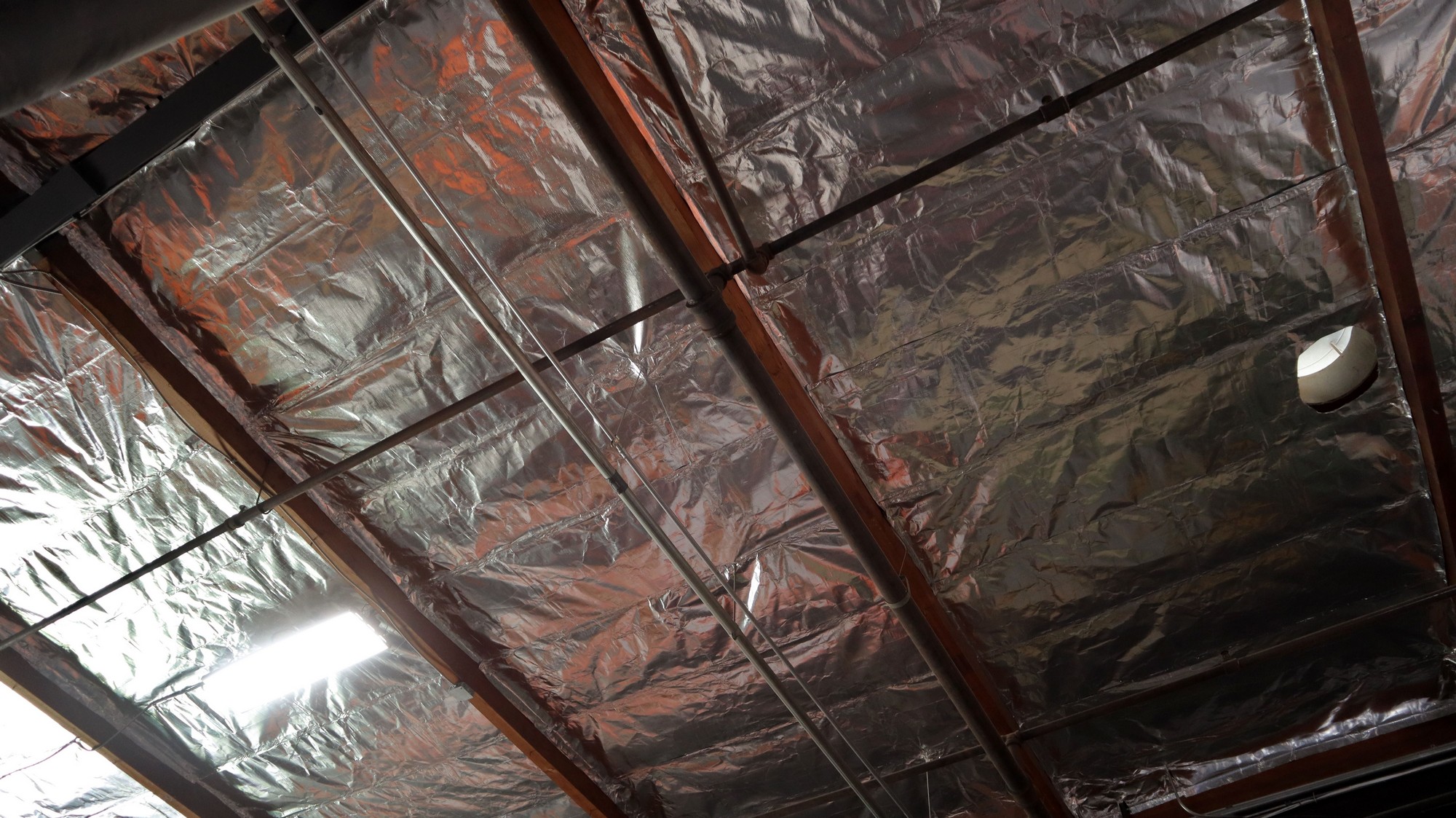
Taylor Made Lofts lists professional energy efficient insulation among its services and its recent projects include both Rockwool and SuperFoil insulation installations.
If you are planning to improve your loft insulation in Dorset, choosing the right system is every bit as important as measuring its depth.
The most straightforward starting point is to measure the insulation that is already there.However, depth is only one part of the assessment. You should also consider its condition and whether it has been installed consistently throughout the loft.Possible signs that your insulation may require attention include:Insulation that is considerably shallower than current recommendations Areas where insulation is missing Material that has become compressed Insulation that has been disturbed or moved Visible damage caused by moisture or pests Uneven coverage around the loft Boarding that has been fitted directly over insulation and compressed itThe Energy Saving Trust recommends assessing the condition of existing insulation before topping it up. If the insulation is very old, damaged or compressed, replacing it may be preferable to simply placing more material over the top.For homeowners in Bournemouth, Poole, Broadstone, Corfe Mullen and Ferndown who are uncertain about the condition of their loft, professional advice can remove much of the guesswork.
Often, yes.
If existing insulation remains dry, undamaged and in suitable condition, adding another layer can be an effective way of increasing the overall depth. The Energy Saving Trust specifically advises that insulation in good condition can be topped up.
However, placing fresh insulation over material that is damp, badly damaged or heavily compressed does not address the underlying problem.
Before adding insulation, it is sensible to establish why any deterioration has occurred. Damp or structural concerns deserve particular attention. The Energy Saving Trust recommends professional assistance where a loft has damp or structural issues.
This is where arranging a loft survey can be valuable. Taylor Made Lofts offers a free onsite survey followed by a detailed, no obligation quotation, allowing the requirements of the individual loft to be considered before installation begins.
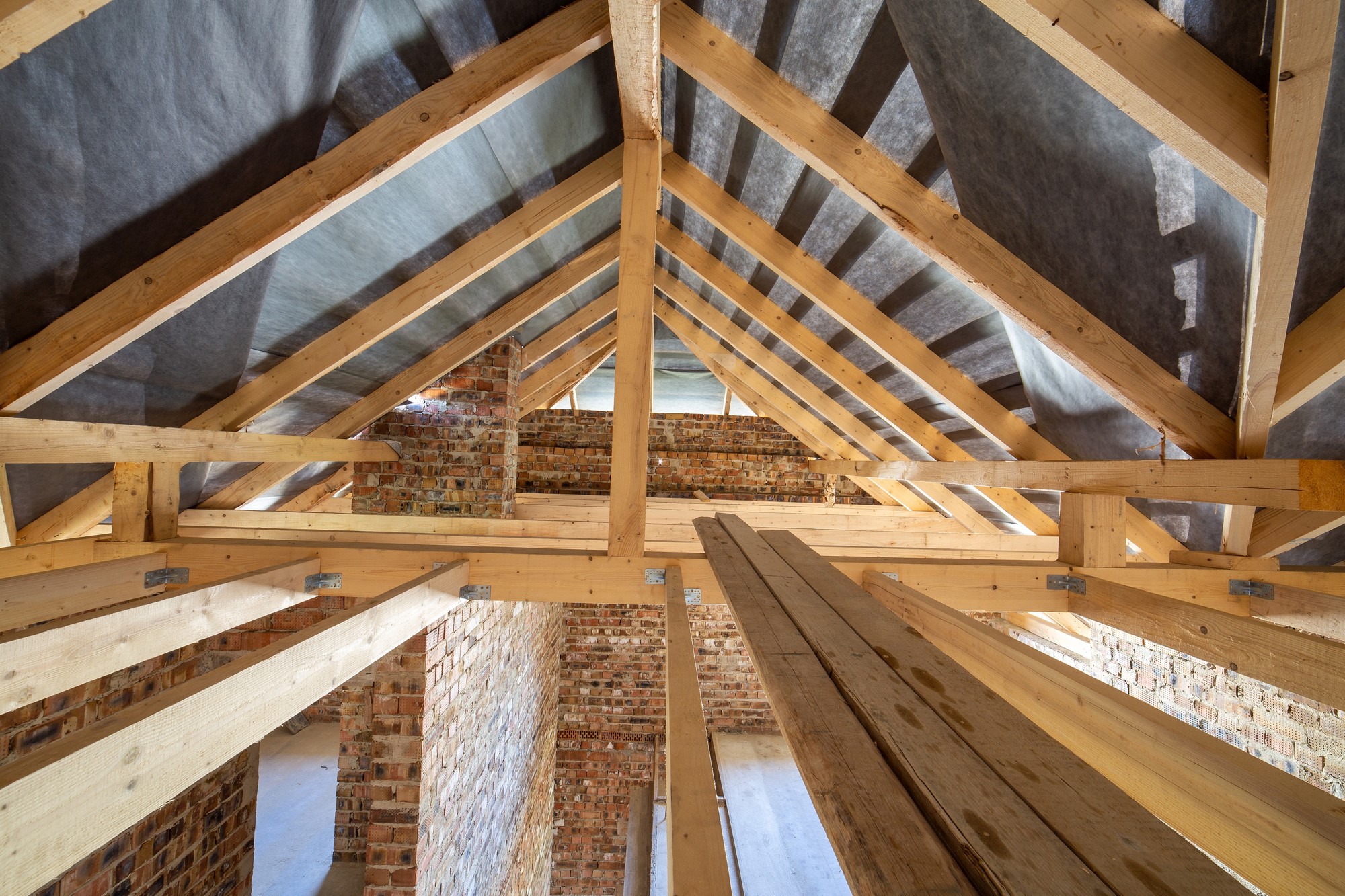
Loft insulation and loft boarding need to be considered together, particularly if you intend to use the loft for storage.One common mistake is to lay boards directly over deep insulation and compress the material beneath them. Insulation depends upon its structure to perform effectively, so compressing it to accommodate boarding is not an appropriate solution.Instead, the boarding can be raised above the insulation where the structure and proposed use allow.Taylor Made Lofts installs raised loft boarding systems and carries out joist extensions where required. The company explains that raising the boarding above the insulation layer helps preserve both insulation and ventilation while providing a strong storage surface.This can be particularly useful if you want to improve the insulation in your Bournemouth or Poole property while also making better use of the loft.Rather than treating insulation and storage as competing priorities, a professionally planned loft can accommodate both.
Increasing insulation should not mean disregarding ventilation.
A loft needs an appropriate approach to airflow and moisture management. Blocking ventilation routes while installing insulation can contribute to unwanted moisture problems, which is why insulation should be installed carefully around relevant ventilation points.
Current Ofgem guidance relating to loft insulation measures also recognises the importance of remedial work for damp where necessary and adequate ventilation following installation.
The Energy Saving Trust similarly advises homeowners with damp concerns to speak to a professional rather than treating the loft as a straightforward do it yourself insulation project.
This is another reason why the ideal solution should be based upon the loft as a whole, rather than simply adding as much insulation as possible.
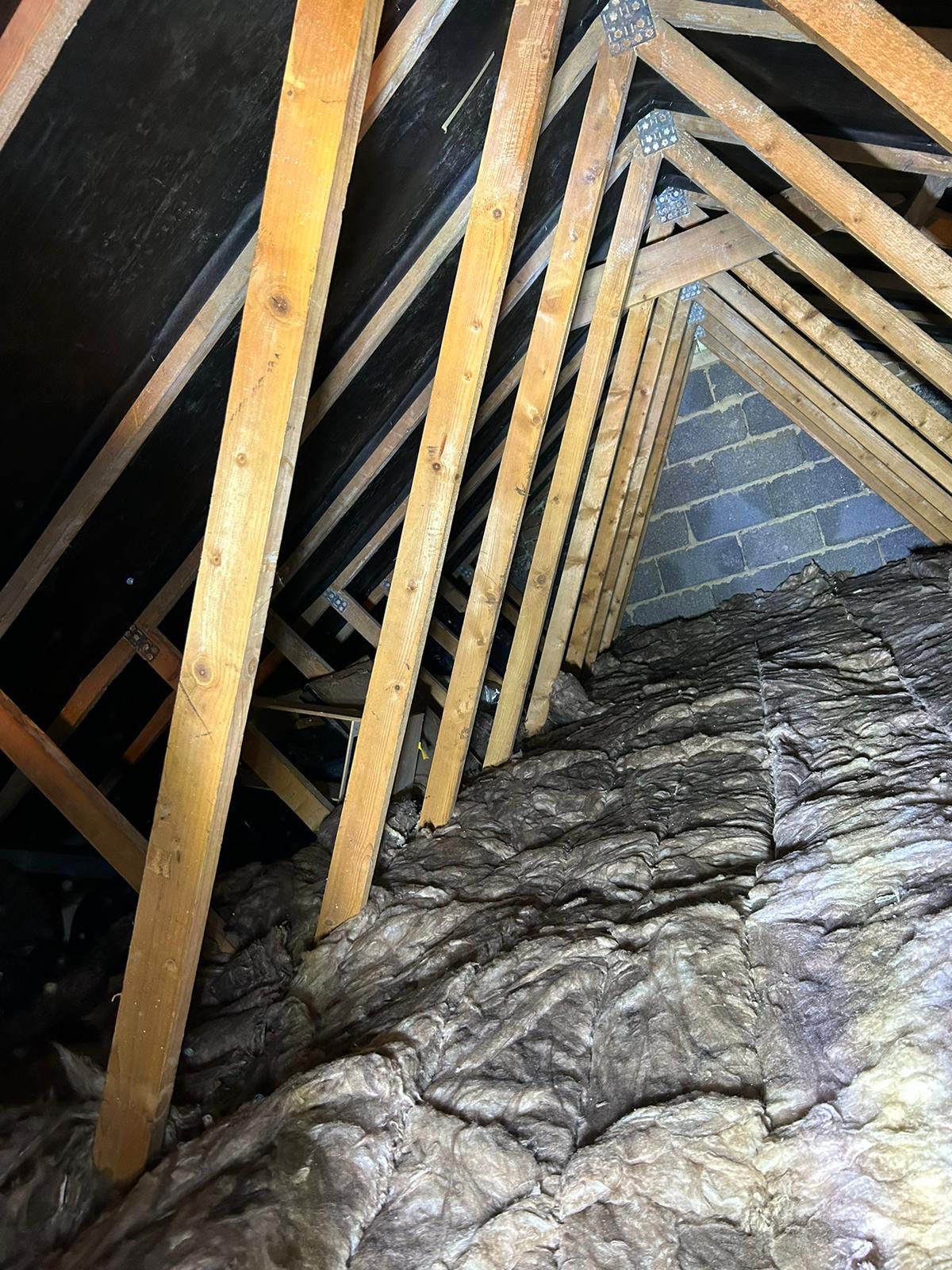
For homeowners in England, installing insulation in a roof space does not ordinarily require a Building Regulations approval application. GOV.UK specifically lists the installation of insulation in roof spaces among work that does not need approval. However, relevant safety and energy efficiency standards must still be met.The situation can become more involved when insulation forms part of wider building work or a loft conversion.If you are undertaking substantial alterations rather than simply upgrading your insulation, it is sensible to establish which requirements apply to the overall project before work starts.
There is a considerable difference between knowing that 270mm is a widely recognised recommendation and knowing precisely what your own loft requires.
Your existing insulation may already be suitable for topping up. Alternatively, it may be compressed, damaged or poorly arranged. You might also want to introduce loft boarding, improve access or turn an awkward loft into more useful storage.
Taylor Made Lofts provides professional loft services across Dorset and the South, with previous projects including loft insulation in Weymouth and Sandbanks, loft boarding in Poole and a non habitable loft conversion in Bournemouth.
For homeowners in Bournemouth, Poole, Corfe Mullen, Ferndown, Broadstone and surrounding areas of Dorset, arranging an assessment allows the loft to be considered as a complete space.
That means looking not only at insulation thickness, but also at its condition, ventilation, access and how you intend to use the loft in future.
For many UK homes, 270mm is the key figure associated with recommended loft insulation thickness, particularly where mineral wool insulation is concerned. However, the ideal solution for your home depends upon more than a measurement alone. The insulation material, condition of existing insulation, ventilation and intended use of the loft should all be considered.If your insulation is shallow, damaged, compressed or difficult to assess, professional guidance can help you determine the most appropriate next step.Taylor Made Lofts provides professional loft insulation and related loft services throughout Bournemouth, Poole, Corfe Mullen, Ferndown, Broadstone, Dorset and the wider South Coast.If you are considering upgrading your loft insulation, adding loft boarding or improving your loft as a complete space, contact Taylor Made Lofts to arrange a free onsite survey and request a no obligation quotation.