Taylor Made Lofts

Can Rockwool Loft Insulation Help Reduce Noise?

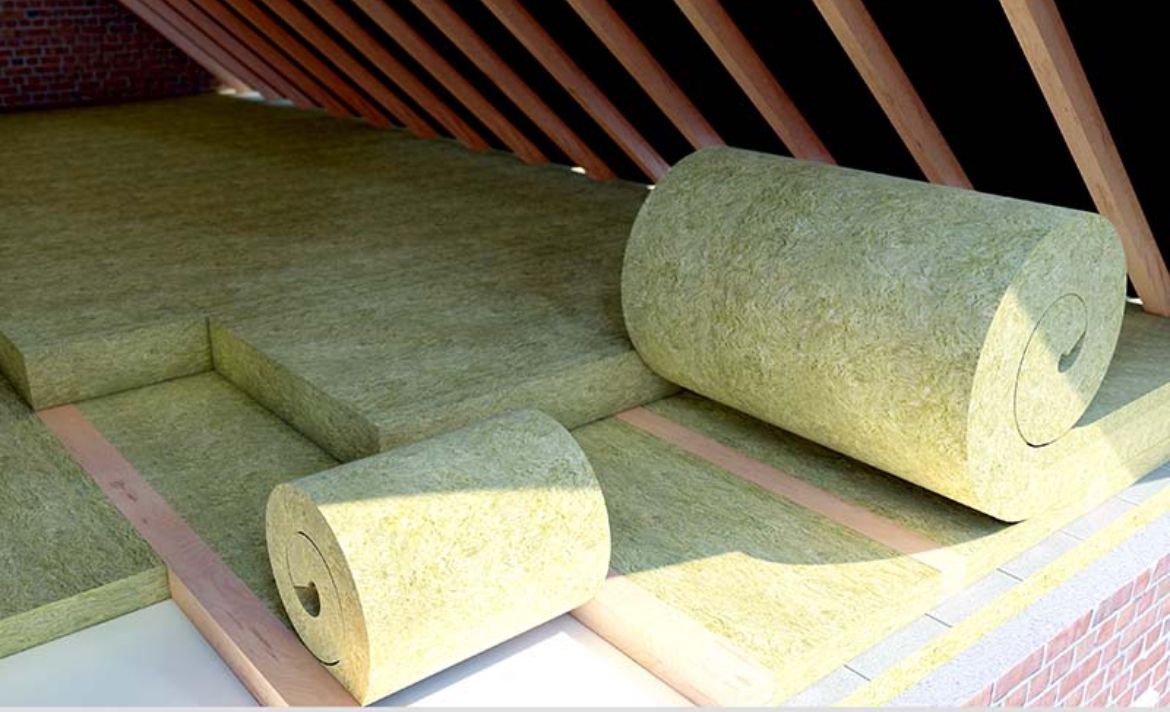
Yes, Rockwool loft insulation can help reduce unwanted noise. Its dense, fibrous structure absorbs sound energy and limits the movement of sound through the area in which it is installed. This can make a home feel quieter, particularly where noise enters through the roof or travels between rooms and the loft.However, Rockwool insulation should not be mistaken for complete soundproofing. Its effectiveness depends on the type of noise, the chosen product, the construction of the property and the quality of the installation. For some homes, insulation alone may provide a worthwhile improvement. Others may require a more comprehensive acoustic system.


    Taylor Made Lofts

    How Does Rockwool Loft Insulation Reduce Noise?

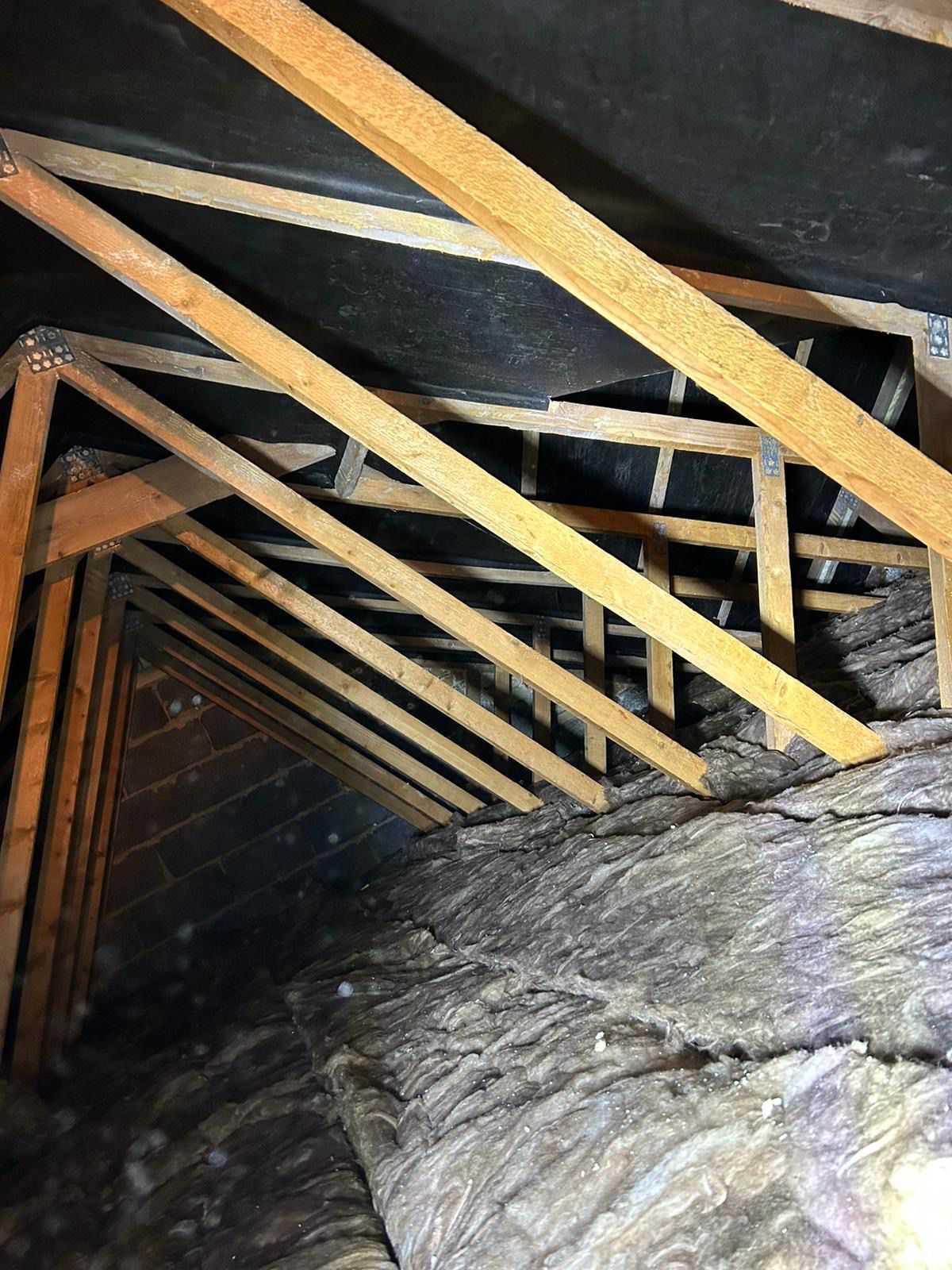
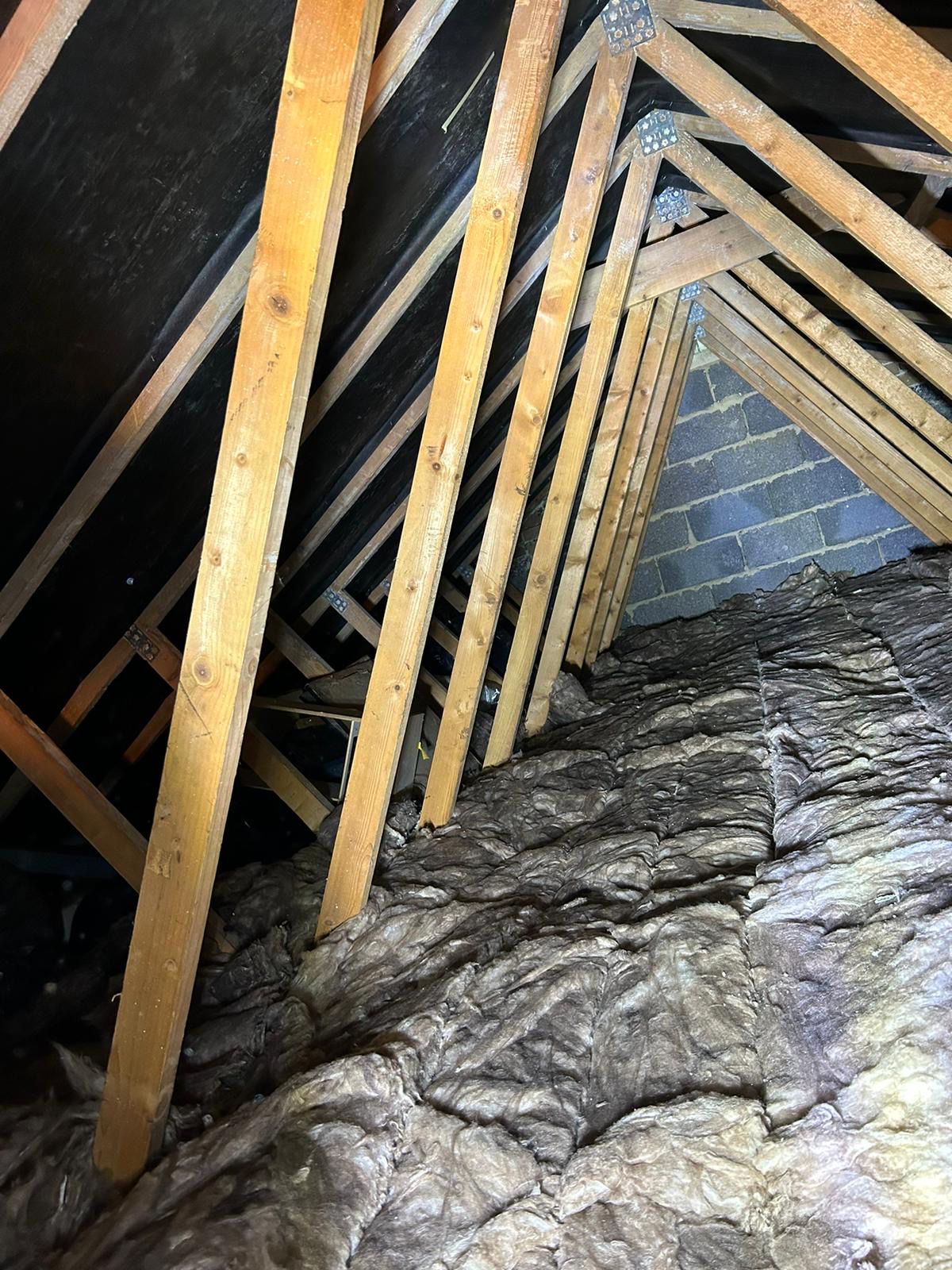
    Rockwool is a form of stone wool insulation manufactured from natural stone. Its network of fibres creates numerous small spaces that disrupt and absorb sound waves. When sound enters the material, the fibres help dissipate its energy rather than allowing it to pass freely through the loft structure. This makes stone wool useful within roofs, ceilings, floors and walls. According to ROCKWOOL’s acoustic insulation guidance, stone wool can contribute to the control of airborne, impact and rain noise. It can also reduce vibration within a suitable building system. ROCKWOOL UK The word “system” is important. Acoustic performance does not come from the insulation alone. The ceiling, roof covering, joists, plasterboard, gaps and adjoining walls all affect how sound travels.

    Get in Touch With our Team
    Taylor Made Lofts

    Sound Absorption and Soundproofing Are Not the Same

    Sound absorption reduces the energy of sound waves within a space or building cavity. Soundproofing aims to stop sound from passing from one area to another. Rockwool is effective as an absorbing material, but a truly sound resistant construction usually combines several principles. These can include absorption, additional mass, separation between surfaces and careful sealing. For example, Rockwool placed between joists may absorb sound within the loft floor. However, sound may still pass through thin plasterboard, gaps around services or adjoining walls. This is known as flanking transmission. ROCKWOOL explains that sound can travel directly through a ceiling or floor, around the main separating structure or through openings and services. Consequently, filling one part of the loft may improve comfort without solving every noise problem.

    Get Your Free Quote
    Taylor Made Lofts

    What Types of Noise Can Rockwool Loft Insulation Reduce?

    Before selecting insulation, it helps to identify the noise that is causing the disturbance. Different sounds behave in different ways.

    Airborne noise

    Airborne noise travels through the air before reaching the building. Examples include: 1. Voices 2. Music 3. Road traffic 4. Aircraft 5. Barking dogs 6. General neighbourhood activity Rockwool can absorb some airborne sound within a roof or ceiling construction. It tends to be more useful against sounds in the middle and higher frequency ranges, such as speech and some traffic noise. Deep, low frequency sounds are more difficult to control. Heavy vehicles, aircraft and powerful music systems can create low frequencies and vibration that travel through several parts of a building. In these circumstances, Rockwool may contribute to a solution, but it is unlikely to resolve the problem by itself.

    Impact and structure borne noise

    Impact noise begins when something strikes a building surface. Footsteps, furniture movement and objects falling onto a floor are common examples. This type of sound produces vibration within the structure. Rockwool may help dampen some vibration when included within a properly designed floor or ceiling system. However, ordinary loft insulation laid over joists will not necessarily stop impact noise. A more comprehensive solution may require acoustic plasterboard, resilient bars or an appropriate floating floor system. The exact approach depends on where the noise originates and how the property is constructed.

    Rain noise

    Heavy rain can sound surprisingly loud beneath tiled, metal or lightweight roofs. Stone wool within the roof construction can help absorb some of this sound. The result will depend on the roof covering and the position of the insulation. Insulation laid across the loft floor may have less influence on rain striking the roof than insulation installed between the rafters as part of a carefully designed roof system.

    Noise from inside the home

    Rockwool may also reduce sound travelling from the rooms below into the loft and then into another part of the property. This can be helpful where a loft sits above bedrooms, offices or other quiet spaces. However, if the sound mainly travels through internal walls, doorways or ventilation openings, treating the loft alone may offer limited improvement.

    Taylor Made Lofts

    Does Thickness Make a Difference?

    The thickness and density of the insulation can influence acoustic performance, but more material does not automatically guarantee a quieter home.

    The appropriate specification depends on:

    1. The selected Rockwool product
    2. The depth of the available cavity
    3. The spacing between joists or rafters
    4. The type and frequency of the noise
    5. The surrounding construction
    6. Whether thermal performance is also a priority

    Some Rockwool products are primarily designed for thermal insulation, while others are specifically intended for acoustic applications. For example, ROCKWOOL Sound Insulation Slab is designed for walls and floors where reducing sound transfer is a particular objective. Other products may be more appropriate for insulating a cold loft. rockwool.com

    Homeowners should therefore avoid choosing a product based solely on thickness. Product suitability and the design of the complete construction matter just as much.

    Contact our Team
    Taylor Made Lofts

    Why Installation Quality Matters

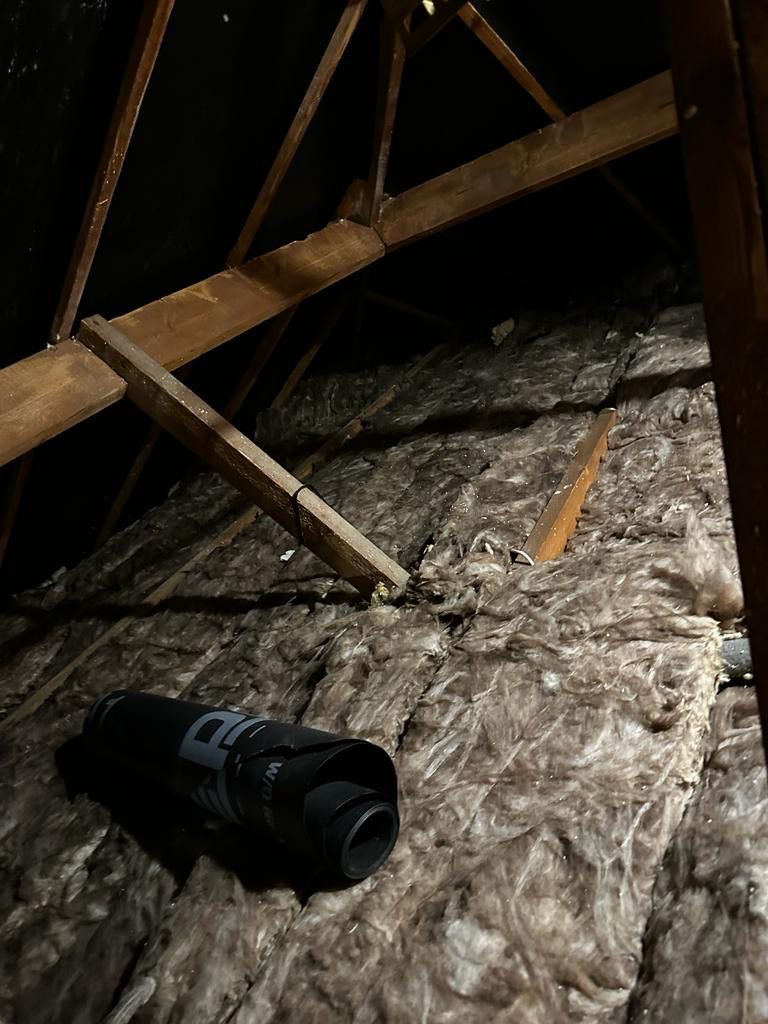
    Even a suitable acoustic product can underperform if it is installed poorly. Open joints and uncovered sections can create easier routes for sound. Insulation should fit neatly around joists and services without leaving avoidable gaps. At the same time, installers should not compress the material unnecessarily. ROCKWOOL advises that loft insulation should be distributed evenly and that open joints should be avoided. Its guidance also warns against squashing loft insulation because doing so can affect its thermal performance. ROCKWOOL UK A professional assessment should also consider ventilation, electrical cables, pipework, damp and the condition of the existing insulation. Covering a defect with new material will not correct the underlying issue. If loft boards are being installed, the insulation must not simply be crushed beneath them. The boarding may need to be raised so that the required insulation depth can be retained.

    Book a Consultation Today
    Taylor Made Lofts

    Can Rockwool Completely Soundproof a Loft?

    No insulation product can make every loft completely soundproof on its own.

    For a substantial acoustic improvement, a specialist may need to combine Rockwool with:

    1. Additional layers of acoustic plasterboard
    2. Carefully sealed joints and penetrations
    3. Resilient bars that reduce direct vibration transfer
    4. Suitable roof or floor coverings
    5. Improvements to windows, vents or loft hatches
    6. Measures that address flanking transmission

    The correct solution begins with finding the principal route through which the noise enters. Adding more insulation without identifying that route may result in unnecessary expense and disappointing results.

    For significant sound transfer between homes, conversions or newly created living accommodation, professional advice is especially important. Approved Document E contains the statutory guidance for resistance to the passage of sound in England, although its requirements vary according to the building and work involved.

    Upgrade to Rockwool loft insulation today
    Taylor Made Lofts

    Is Rockwool Suitable for Every Loft?

    Rockwool is suitable for many lofts, but no insulation should be specified without considering the property. A cold loft will usually require insulation at ceiling level, between and above the joists. A room in the roof requires a different approach because insulation must follow the roof structure and maintain appropriate ventilation. Storage areas may require raised boarding, while damp or poorly ventilated lofts should be investigated before work begins. Taylor Made Lofts offers Rockwool insulation services across Bournemouth, Poole, Dorset and surrounding areas. An assessment can consider the existing insulation, ventilation, access, intended use and source of the noise before a suitable approach is recommended.

    Get your Rockwool quote today
    Taylor Made Lofts

    Frequently Asked Questions

    Will Rockwool stop traffic noise?

    Rockwool may reduce some traffic noise when installed within an appropriate roof or ceiling system. It is generally less effective against deep, low frequency noise, particularly when sound also enters through windows, walls and ventilation openings.

    Can Rockwool reduce aircraft noise?

    It can contribute to reducing airborne aircraft noise, but it is unlikely to eliminate it. Aircraft noise contains a wide range of frequencies and may enter through several parts of the building. A complete acoustic assessment may therefore be necessary.

    Is all Rockwool insulation soundproof?

    No. Rockwool manufactures different products for different applications. Some combine thermal and acoustic properties, while others are designed more specifically for sound insulation. Always check the technical information for the exact product.

    Can Rockwool be fitted beneath loft boarding?

    Yes, but the boarding should not compress the insulation. A raised boarding system may be required to preserve the necessary insulation depth and provide a stable storage surface.

    Switch to Rockwool loft insulation
    Taylor Made Lofts

    Conclusion

    Rockwool loft insulation can help reduce noise by absorbing sound within a roof, floor or ceiling construction. It may soften voices, general neighbourhood sound, rain and some traffic noise while also improving thermal comfort. However, the outcome depends on the source of the noise, the chosen product, the construction of the property and the standard of installation. Rockwool should form part of a considered solution rather than being treated as a guarantee of complete soundproofing. Taylor Made Lofts has more than 15 years of practical experience working with lofts across Bournemouth, Poole, Dorset and the surrounding areas. If you would like to improve your insulation and understand whether Rockwool could help with a particular noise problem, contact Taylor Made Lofts to arrange an assessment and request a free, no obligation quotation. The team can recommend an appropriate solution based on your property rather than relying on a general specification.

    Get Rockwool loft insulation
    Taylormade Lofts
    Accredited & Trusted By