Better loft insulation can improve the energy efficiency of a rental property and may contribute to a higher Energy Performance Certificate rating. Its precise effect will depend on the existing insulation, the construction of the property and the other factors considered during an EPC assessment.


An EPC considers the overall energy performance of a property. The assessment examines several features, including the construction of the walls and roof, insulation, windows, heating, hot water and lighting.The certificate gives the property a rating from A, which represents the greatest efficiency, to G, which represents the poorest efficiency. It also includes recommendations for measures that could improve the property. A domestic EPC generally remains valid for ten years, although a newer certificate replaces an earlier one.A loft with inadequate insulation allows heat to escape more readily through the roof. By improving the thermal performance of this part of the building, landlords may reduce calculated heat loss and improve one of the factors used to determine the EPC rating.However, loft insulation does not work in isolation. The eventual rating will also reflect the heating system, glazing, wall construction and other characteristics. No responsible installer should promise that loft insulation will raise a property by a particular number of EPC bands without a complete assessment.
Warm air rises, so the roof is an important part of the thermal envelope of a property. Where loft insulation is thin, uneven, damaged or missing, the building may require more energy to maintain a comfortable temperature.
Improving the insulation can help the property retain warmth for longer. This may create a more comfortable home for tenants while reducing unnecessary demand on the heating system.
Loft insulation is also comparatively straightforward to inspect in many properties. A professional can examine the existing material, identify gaps and consider whether it has been compressed by stored belongings or poorly positioned boarding.
For landlords seeking to improve a rental property’s EPC rating, the loft is therefore a logical area to assess. It may offer a practical improvement without the disruption associated with more extensive structural work.
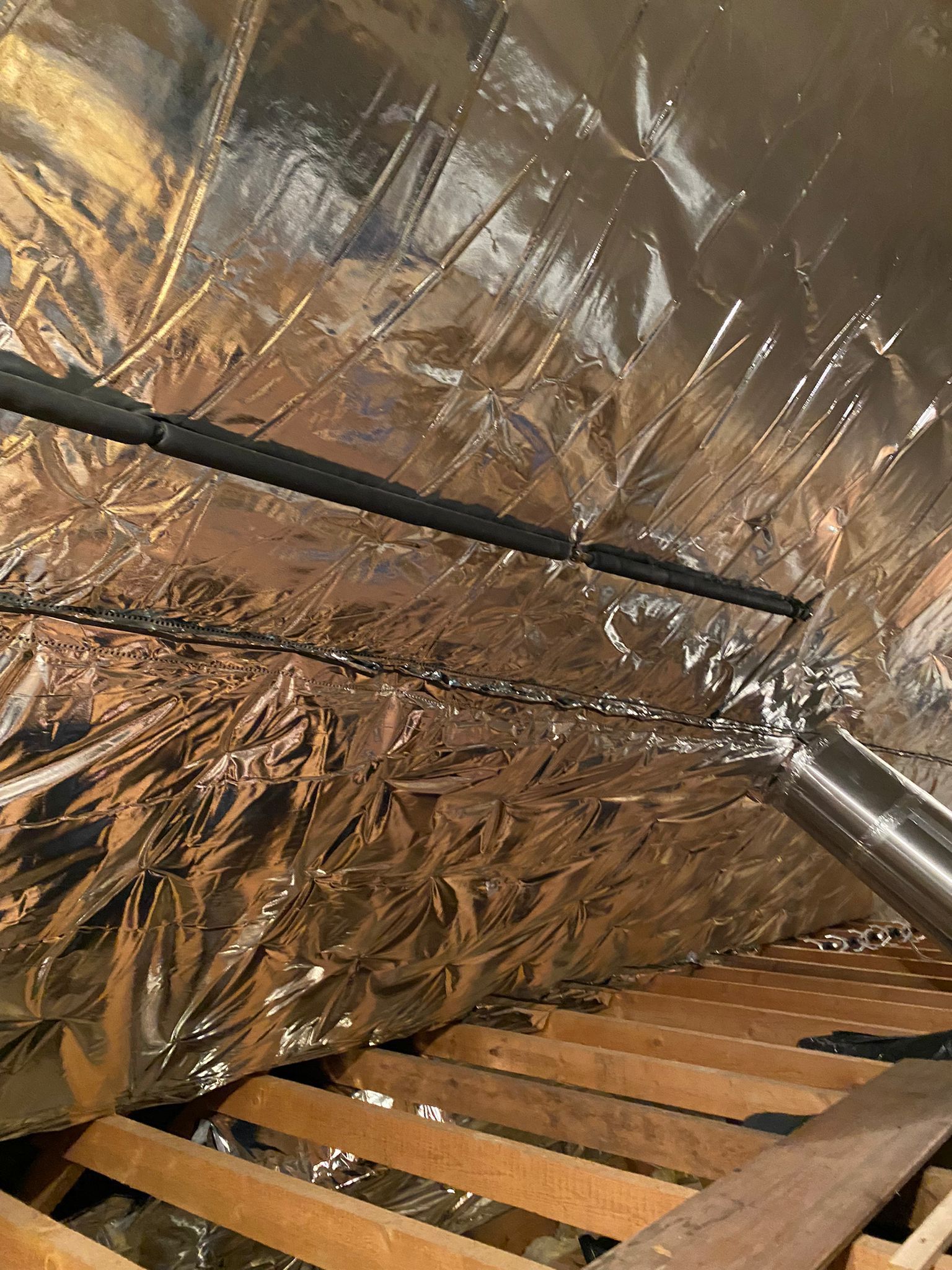

At the time of writing in October 2026, privately rented homes covered by the Minimum Energy Efficiency Standard regulations must generally achieve an EPC rating of E or above. Landlords cannot normally let or continue to let a covered property with an F or G rating unless a valid exemption applies.The current guidance states that landlords are not required to spend more than £3,500, including VAT, on improvements needed to reach an E rating. The rules and available exemptions depend on the circumstances, so landlords should consult the latest Government guidance or obtain suitable professional advice before making a legal decision.Better loft insulation could form part of the improvements required for a poorly performing property. The existing EPC may already recommend additional insulation, but the recommendation should still be considered alongside the present condition of the loft and the suitability of the proposed material.
The Government has confirmed its intention to introduce higher minimum energy efficiency standards for privately rented homes in England and Wales.
The policy is intended to require relevant properties to meet a standard equivalent to EPC C by 1 October 2030. The Government plans to use new EPC metrics and aims to introduce the necessary regulations before that date. These changes remain subject to legislation and Parliamentary approval, which means EPC C is not yet the current minimum legal standard for privately rented homes.
Landlords should therefore avoid treating every headline about EPC C as an immediate legal requirement. Nevertheless, those planning to retain rental properties over the coming years may benefit from reviewing their energy performance early.
An assessment now can identify sensible improvements and allow work to be planned around tenancies, maintenance schedules and available budgets. This is generally preferable to waiting until a future deadline approaches.

There is no universal answer because every property begins from a different position.A home with very little loft insulation may have greater scope for improvement than one that already contains an effective and correctly installed system. The effect on the EPC will also depend on the size and construction of the property, along with its heating, glazing and wall insulation.The existing EPC can provide an initial indication of possible improvements. However, it should not replace an inspection of the loft itself. Records may be incomplete, materials can deteriorate and later alterations may have affected the original installation.After suitable work has been completed, a landlord may choose to commission a fresh EPC from an accredited assessor. A new assessment can record the updated property and provide a current rating. Installing insulation does not automatically update an existing certificate.
Landlords do not need to wait for an EPC assessment before inspecting a loft. Several signs may indicate that professional advice would be worthwhile:
These signs do not confirm the correct solution by themselves. Moisture, ventilation and roof defects require careful consideration before new material is installed.

A better insulated rental property can offer advantages beyond its EPC rating.For tenants, improved heat retention may create a more comfortable and consistent indoor temperature. Rooms can feel less vulnerable to rapid heat loss during colder weather, particularly on upper floors.For landlords, energy efficiency improvements may support the long term condition and appeal of the property. A stronger EPC rating can also make a home more attractive to tenants who consider likely energy use when comparing properties.Insulation should not be presented as a guaranteed route to a particular saving. Actual energy costs depend on tariffs, occupancy, heating habits and the wider condition of the building. Its principal purpose is to reduce unnecessary heat transfer and improve the thermal performance of the property.
If an existing EPC recommends more insulation, or a rental property feels difficult to heat, an assessment can establish what work may be appropriate.
Landlords and letting agents can contact Taylor Made Lofts to arrange a free survey and receive a free, no obligation quotation for professional loft insulation in Dorset, Poole or Bournemouth.

Can loft insulation raise a rental property’s EPC rating?It may contribute to a higher rating by improving the thermal performance of the property and reducing calculated heat loss through the roof. The eventual result depends on the existing insulation and all the other features included in the EPC assessment.Does a rental property currently need an EPC C rating?No. As of October 2026, covered privately rented homes in England and Wales must generally achieve at least an E rating unless a valid exemption applies. The Government intends to introduce a higher standard equivalent to EPC C from October 2030, subject to the necessary legislation.How much loft insulation does a rental property need?The appropriate specification depends on the insulation material, the construction of the loft and the existing installation. A professional should assess the property before recommending the necessary depth, coverage or system.Should a landlord obtain a new EPC after installing insulation?A new EPC is not automatically required solely because insulation has been installed. However, commissioning a fresh assessment allows the improvement to be recorded and provides an updated rating. Only an accredited energy assessor can issue the new certificate.